
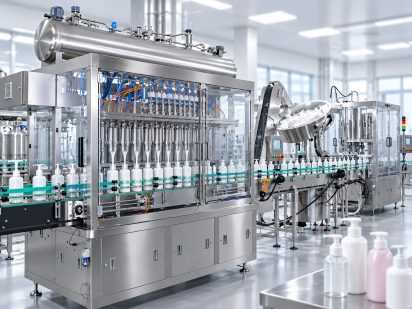
Visible bubbles and unstable fill weights during lotion filling can come from air already trapped in the product, air entering through the suction side, or air left inside the filling circuit. This guide shows how to identify the source, prime the system correctly and decide when mechanical inspection is needed.
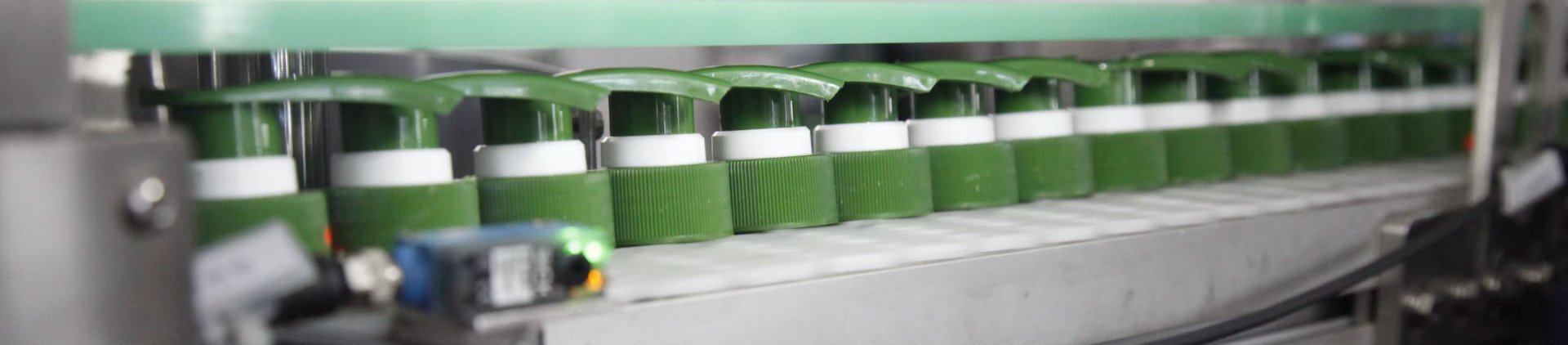
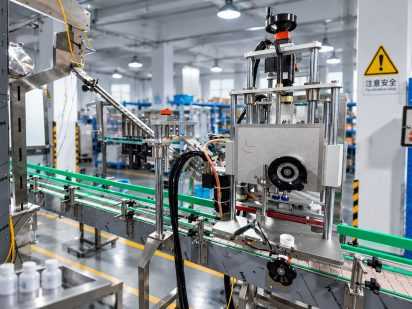
Capping Line Layout: How Much Space Is Needed for Bottle Infeed and Outfeed?
A capper’s machine dimensions do not equal the total installation footprint. Learn how to plan bottle infeed, outfeed accumulation, cap supply, operator access and maintenance clearance for a practical capping line layout.
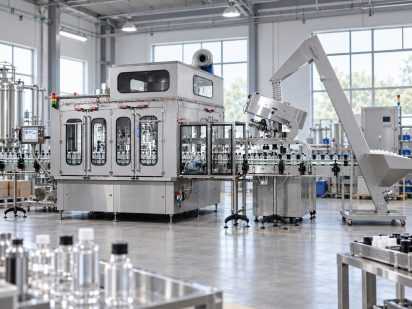
Liquid Filling and Capping Machine Price: Which Specifications Change the Quote?
Compare liquid filling and capping machine quotes by filling heads, metering method, cap feeding, inspection, change parts, FAT and project scope. Learn what specifications should be defined before comparing quotation totals.
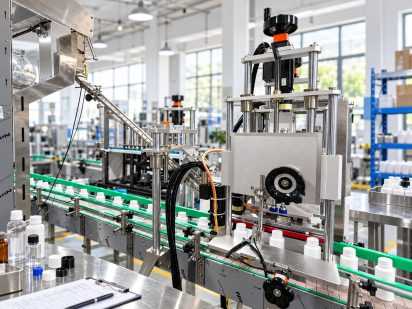
Capping Machine Manufacturer RFQ Checklist: Samples, Speed and Acceptance Tests
A comparable capping machine RFQ needs more than bottle size and production speed. Use this procurement checklist to define representative samples, target BPM, torque acceptance, FAT conditions, changeover scope, documentation and supplier deliverables before requesting quotations.
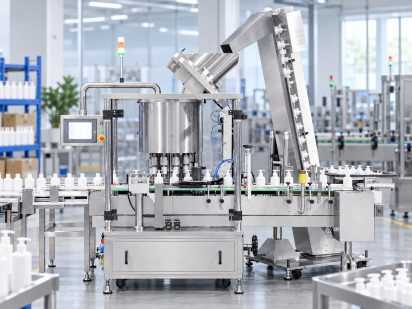
Pump Capper for Lotion Bottles: When Is Automatic Feeding Worth It?
Automatic pump feeding is worth evaluating when manual pump placement limits stable output, labor efficiency or consistency. This guide compares order volume, pump and dip-tube design, SKU changeovers, bottle stability and payback inputs to help determine the right automation level for a lotion bottle line.