

Liquid filling and capping machine price is not comparable until the bottle, cap, liquid, required output and quotation boundary are defined. Two quotes can use the same machine label while including different filling heads, metering methods, cap-feeding automation, inspection functions, change parts and project services.
A useful comparison therefore starts with the same samples, the same required functions and the same acceptance conditions. The total price only becomes meaningful after those boundaries match.
|
Quote basis
Bottle, cap, liquid
Use defined samples or drawings instead of a generic machine description. |
Scope basis
Included vs excluded
Separate machine supply, options, line interfaces and site services. |
Acceptance basis
FAT and criteria
Agree what must be demonstrated before purchase approval or shipment. |
| Quick Answer | Filling Scope | Capping Scope | Inspection | Changeover | Project Scope | Compare Quotes | Get a Quote |
1. Quick Answer: Why Liquid Filling and Capping Machine Price Needs a Defined Scope
The price of a liquid filling and capping machine reflects more than the filling unit itself. Filling-head count, metering technology, cap-feeding automation and line integration can all change the equipment supplied. Additional filling heads may increase machine cost without improving finished-line output if the capper is already the bottleneck. Automatic cap feeding adds equipment and controls, but reduces reliance on manual placement. The right comparison is which configuration delivers the required output with the specified functions and services actually included.
For budgeting, ask each supplier to identify the exact sample basis and to mark important items as included, excluded, optional or supplied by others. A preliminary quotation without that detail can still help with project screening, but it should not be compared directly with a configuration-level offer built around physical samples and defined acceptance conditions.
Purchasing rule: do not compare total price first. Compare the sample basis, machine configuration and scope boundary first; then compare the totals.
2. How Filling-Head Count and Metering Method Change the Quote
When two quotations specify different filling-head counts, the configuration with more heads is not automatically the better investment. Additional heads can require more valves, product distribution components, controls and mechanical space, but their value depends on the filling time of the actual liquid and the output the rest of the line can sustain. If capping or downstream handling already limits production, extra filling capacity may offer little practical benefit. Compare output under the same bottle and product conditions before paying for more filling heads.
The metering method is another major quotation variable. Piston, pump, flow-meter, weighing and other filling principles have different product-path and control requirements. The right choice depends on the real liquid, filling range and process objective, so it should be confirmed against samples or representative product information rather than assumed from a broad description such as “liquid.”
A useful filling-section quotation states the metering method, number of heads, covered filling formats, product-feeding boundary and any product-specific options. If output is quoted, the operating basis should be stated as well. That makes it easier to review liquid filling and capping machines as configured systems rather than as generic equipment names.
If the project team needs to understand the process relationship before comparing budgets, the related guide on how filling machine and bottle capping machine work together explains the handoff between filling, bottle transfer and capping. This article stays focused on quotation variables and procurement scope.
3. Capping Method, Cap-Feeding Automation and Closure Type
An automatic capping machine does not always include automatic cap feeding. One quotation may cover tightening while an operator places each cap; another may include sorting, orientation and automatic delivery. The second configuration involves more equipment, while the first leaves part of the process dependent on manual labor. Manual placement may be suitable at lower output, but continuous production needs closer scrutiny of cap-feeding consistency and operator involvement. Suppliers should make this distinction clear before their quotations are compared.
Closure type can also change the mechanical concept. A conventional screw closure, a press-on closure, a pump, a trigger or a cap that needs directional orientation presents a different handling task. The quotation should state the closure formats used as the design basis, the proposed cap feeder, the capping method and any closure-specific change parts.
4. Inspection, Reject Stations, Conveyors and Buffering
Inspection affects the quote only when the required check is defined. “Inspection included” is too vague for procurement. A specification should say what condition is being checked, where it is checked and what the line must do when a fault is detected. Presence detection, closure-position checks and other inspection tasks can require different sensors and control logic.
A reject station is also a separate scope item. Detecting a fault is not the same as tracking the affected bottle and removing it from normal product flow. If rejection is required, the quotation should identify the reject point and the relevant control sequence for the agreed fault conditions.
Conveyors and buffering deserve the same treatment. Confirm the conveyor sections included in the supply, how bottles are controlled between stations, and where the quoted line starts and ends. Buffering may be required where neighboring machines do not stop and restart together, but the appropriate arrangement depends on the actual upstream and downstream equipment. It should therefore be part of line-interface review, not an assumed standard feature.
5. Multi-Format Change Parts, Cleaning and Protection Requirements
A quote based on one bottle and one cap is not equivalent to a quote covering a complete SKU range. Different bottle dimensions can require guides, positioning parts or other format-specific components. Different closures may require separate handling or capping parts. The exact change parts depend on the final machine configuration, so every required bottle-cap combination should be listed during the RFQ stage.
Changeover frequency changes the purchasing decision as well. A plant running long campaigns of one format may accept a more involved adjustment routine. A line that changes bottles, caps or products frequently needs closer review of adjustment points, parts to be changed and the setup procedure. Do not assume that “multi-format” means every format changes in the same way.
Cleaning and protection requirements can alter the machine configuration. Define product-change frequency, expected cleaning method, access needs and any site-specific guarding or containment requirements before the final quotation. Where compatibility or cleaning behavior is uncertain, confirm it through technical review and sample testing instead of treating a generic configuration as proof.
6. Check Whether FAT, Documentation, Installation and Spare Parts Are Included
Two machines can look technically similar and still have different quotation totals because the project-delivery scope is different. FAT, documentation, installation support and spare parts should therefore be reviewed as line items instead of assumed from the equipment price.
FAT: define which bottles, caps and product or agreed substitute will be used, what operating conditions will be demonstrated and which acceptance checks must be completed. Documentation: list the manuals, drawings and other project documents required. Installation and commissioning: state whether the quote covers equipment supply only, remote support, site service, training or another agreed boundary.
Spare parts should be itemized too. A general statement that spares are available is different from a defined startup package included with the machine. Procurement can avoid later scope disputes by asking suppliers to mark each service or deliverable as included, excluded, optional or by others.
7. Quote Comparison Table: Compare on the Same Scope Boundary
A lower quotation can be misleading when it excludes equipment or services included in another offer. For example, a quote without automatic cap feeding or reject handling is not equivalent to one that includes both. Use the table below to identify scope differences and request separate prices for missing items before comparing totals.
| Quote item | What should be stated |
| Product basis | Liquids and relevant filling conditions used for configuration. |
| Bottle and cap basis | Included formats, sample references and any orientation requirement. |
| Filling section | Metering method, filling-head count and product-feed boundary. |
| Cap feeding and capping | Manual or automatic feeding scope, capping method and included closures. |
| Inspection and reject | Exact checks, reject action and included station boundary. |
| Conveyor and interfaces | Included conveyor sections and upstream/downstream handoff points. |
| Change parts | Formats included in the base quote and separately priced tooling. |
| FAT and acceptance | Samples, test conditions and agreed acceptance criteria. |
| Services and spares | Documentation, site support, training and initial spare-parts scope. |
| Exclusions | Items explicitly outside the quotation or supplied by others. |
Buyer recommendation: require every quotation to list included and excluded items, the sample basis and the acceptance conditions. This makes it possible to compare quotation scope for a complete line without relying on an unverified market price range.
8. Get a Sample-Based Filling and Capping Quotation
The specifications needed for a filling and capping machine quote should describe the real package and process. Send liquid information, required fill range, bottle and cap drawings or samples, the expected output target, the complete format list, changeover expectations, required inspection functions and the intended line boundary. Include workshop and interface information where it affects the machine layout.
Physical samples are valuable because drawings cannot show every handling behavior. Bottle stability, cap seating and liquid behavior may change the final configuration. Where a requirement has not been demonstrated, treat it as requiring confirmation through sample testing rather than as an assumed capability.
Relevant Runtech equipment references
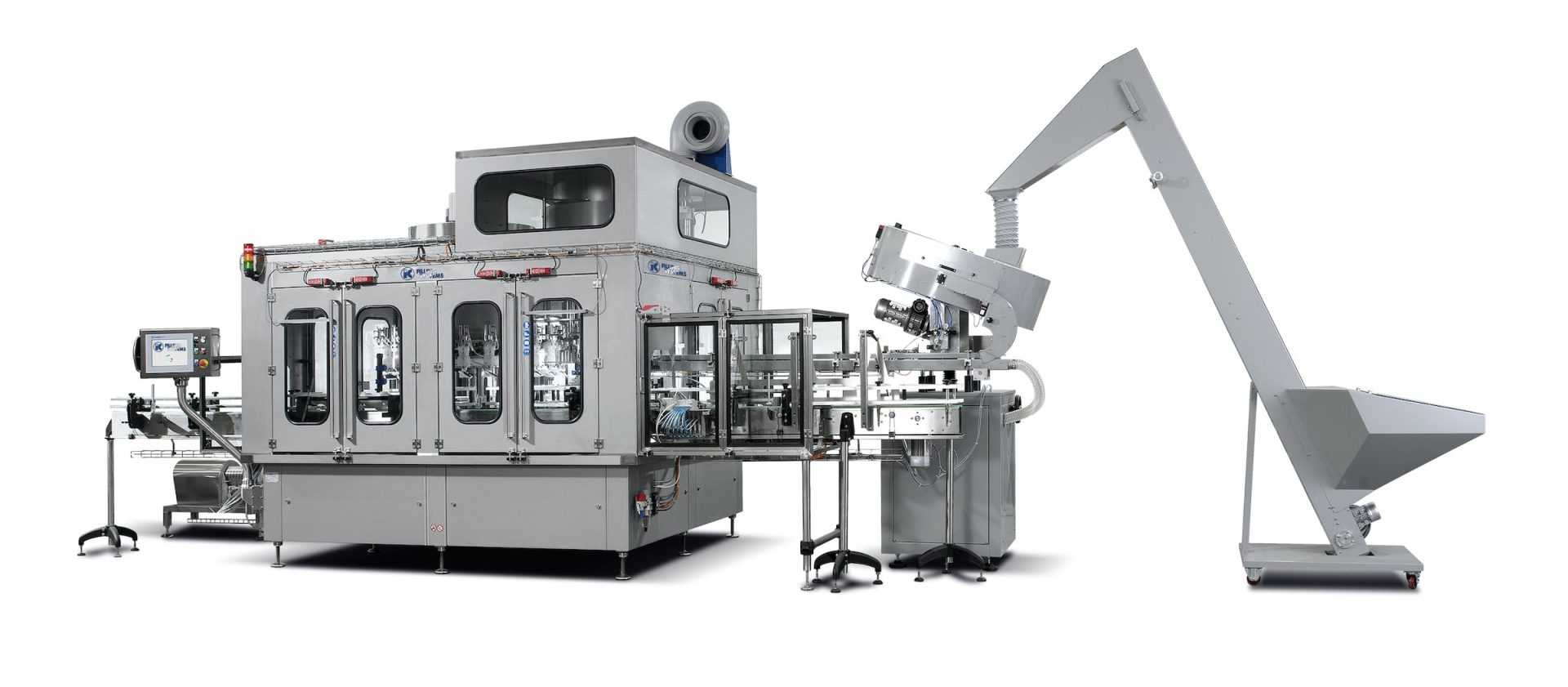
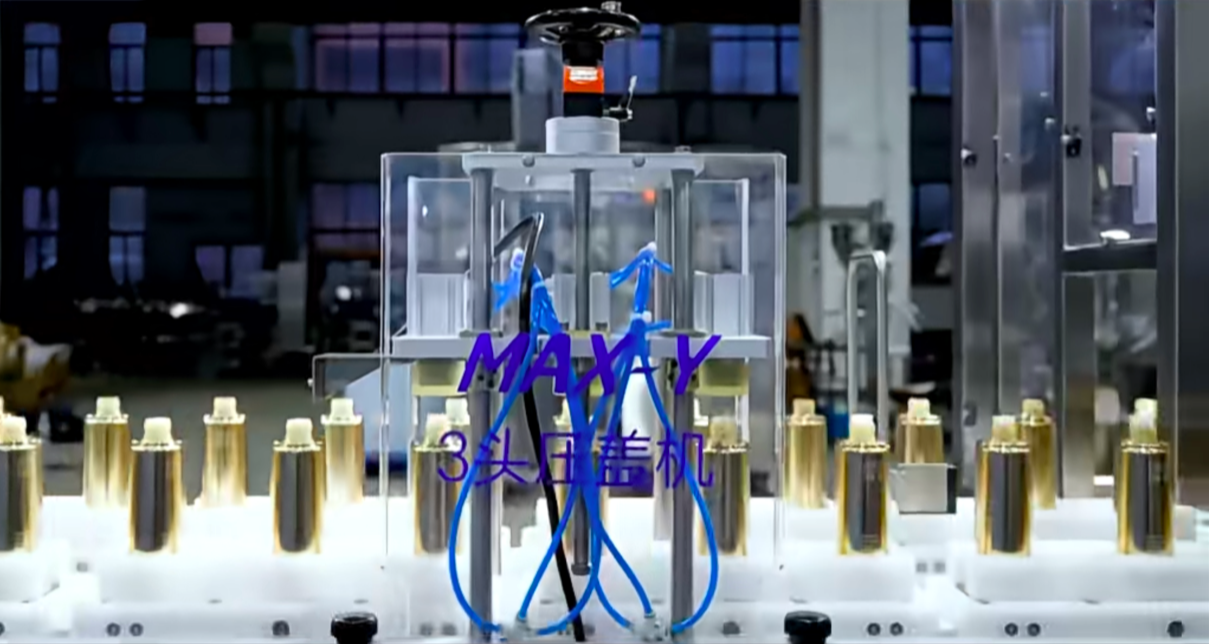
These two Runtech product references illustrate integrated filling and capping applications. Their published descriptions show different packaging workflows, but final compatibility with a specific liquid, bottle and closure should still be confirmed for the project.
|
Automatic Filling and Capping All-in-One Machine Relevant for: projects evaluating an integrated filling-and-capping workflow. Why it fits: the page describes bottle feeding, quantitative filling, cap handling/capping and finished-product output in one line. Confirm first: liquid, bottle, closure and quoted options against project samples. |
Automatic Cosmetic Filling and Capping Machine Relevant for: cosmetic and daily-chemical projects using filling plus screw-capping. Why it fits: the page describes bottle feeding, filling, cap sorting/positioning, thread screwing and discharge. Confirm first: product behavior, bottle/cap formats, cleaning and changeover scope. |
Related reading
How Filling Machine and Bottle Capping Machine Work Together →
Use this when the next question is process coordination between filling, transfer and capping rather than quotation scope.
Build the quote around samples and an explicit scope boundary
A useful liquid filling and capping machine price is a quotation tied to defined samples, required functions and written acceptance conditions. Send the real bottle, cap, liquid information and output requirement so the proposed configuration can be reviewed on the same basis you will use for procurement.
| Request a Scope-Based Filling and Capping Quote | Send Your Bottle, Cap, Product and Output Requirements |
Frequently Asked Questions
Can one quotation cover several bottle and cap formats?
Yes, but every required bottle-cap combination should be listed. The quotation should identify which formats share adjustments and which require dedicated change parts or further technical confirmation.
Can drawings and photos replace physical sample testing?
They are useful for preliminary engineering, but they cannot show every handling or liquid behavior. Physical samples provide a stronger basis when bottle stability, cap placement or filling behavior may affect the configuration.
How many samples should be sent for a quotation or trial?
There is no universal quantity. Ask the supplier to specify what is needed to evaluate repeated filling, bottle transfer, cap feeding and capping under the proposed test plan.
What should FAT acceptance criteria include?
Define the package formats, test liquid or agreed substitute, operating conditions, checks to be performed and any required changeover demonstration. Agree the criteria before the machine is built or the purchase is finalized.
Is the lowest quotation necessarily the lowest project cost?
No conclusion should be drawn from the total alone. One quote may exclude cap feeding, inspection, change parts, FAT, spare parts, installation or connecting conveyors that another quote includes. Normalize scope before comparing totals.