
A thick cream may dispense smoothly at the start of a shift but become harder to feed as its temperature changes. A gel with a similar reported viscosity might refill without trouble yet leave long strings at the nozzle. Choosing a viscous liquid filling machine means understanding where a particular product causes trouble during the filling cycle, not simply finding a machine advertised for “high-viscosity liquids.”
The most useful equipment discussion starts with those differences. What looks like a dosing problem may begin at the hopper; what looks like a nozzle problem may be made worse by the way the product is pumped. The best choice is the one that handles the material consistently at the intended output and remains practical to drain and clean.
|
THE MATERIAL
Product behavior Viscosity, temperature, shear and particles. |
THE MACHINE
Metering & feed Piston or pump, hopper and suction. |
THE RESULT
Real-product trial Cutoff, recovery, cleaning and acceptance. |
Why Thick Products Need More Than a Viscosity Rating
An accurate fill weight during a short run does not establish that a machine is a good fit. A piston may deliver repeatable strokes but struggle to maintain output when a thick product refills the chamber slowly. The same line may then face a separate problem at the nozzle if the material does not break away cleanly. The purchasing decision depends on which part of the cycle limits stable output or acceptable package quality.
Before deciding between piston and pump-based filling, establish the conditions the material will actually face: its temperature and flow behavior during production, whether it changes under shear, any particles it contains, the required fill quantity and speed, and the cleaning demands between batches. A piston meters a defined displacement; a gear pump moves material as its gears rotate. Which approach makes sense depends on how the entire filling process performs, not the product category printed on a specification sheet.
A useful distinction: a successful short filling demonstration is not the same as stable production. The proposed setup should make sense across the temperatures, batch conditions and operating speeds the line is expected to encounter.
For the wider daily-chemical equipment context, the Liquid Filling Machine Guide for Daily Chemical Products explains how filling equipment fits into the broader packaging decision.
A Viscosity Number Does Not Tell the Whole Story
A supplier may report one viscosity value, but that number can hide an important part of the filling problem. Many creams, gels and concentrated detergents change how they flow with temperature or with the conditions under which viscosity is measured. A warm product might enter a measuring chamber readily, while the same formulation takes longer to refill after cooling. The actual filling temperature—and, where relevant, the viscosity measurement conditions—belong in the equipment discussion.
Pumping can change what the operator sees as well as how the material flows. Some formulations thin temporarily under shear; others may pick up air or show an unwanted change in texture after repeated handling. A machine that transfers the product easily is of little use if the filled product no longer meets its appearance or consistency requirements. That is why shear behavior matters alongside the headline viscosity figure.
Inclusions can change the decision again. Cosmetic beads, fibers or suspended solids may pass through one product path but interfere with a narrow clearance or valve in another. Their size, concentration, hardness and tendency to settle need to be understood before assuming that a filler suitable for a smooth cream will behave the same way with a particle-containing formula.
| Temperature | Test at the intended filling condition and, where relevant, across the normal operating range. |
| Shear | Check whether pumping, agitation, or repeated circulation changes flow or product quality. |
| Particles | Confirm whether inclusions can pass the proposed product path without creating handling or cleaning problems. |
Piston or Gear Pump? Look at What Limits the Fill
The key difference is often where each method encounters its limitation. With piston filling, the chamber has to refill before the next stroke; a fast-moving drive cannot make up for a product that arrives too slowly. A gear pump moves material through rotating gears, which makes shear response, particle content and internal clearances particularly relevant. The filling method for thick products still has to suit the fill-volume range, container opening, output target and acceptable variation—but those requirements only become meaningful when the material can move through the machine as intended.
Where it fits: A piston gives a clearly defined displacement per stroke, provided enough material enters the chamber before the next cycle.
Where it struggles: The weak points are often incomplete refill, trapped air or valve behavior rather than the displacement principle itself. Cutoff, cleaning access and residual product still matter.
Where it fits: A gear pump can transfer a reasonably uniform product at a controlled rate, but its mechanical action must be compatible with the formulation.
Where it struggles: Particles and shear-sensitive materials deserve particular scrutiny. The complete system must also provide stable feeding, suitable dose control and a cleanable product path.
Other options: Other pump designs may suit particular flow characteristics better. Their suitability still depends on the material’s rheology, inclusions, temperature, the required dosing method and cleaning access.
For a smooth lotion or cream, piston filling can be a sensible starting point because the dose is tied to displacement. But if refill time becomes the bottleneck, increasing the commanded speed will not solve the underlying supply problem. Conversely, a product may meter repeatably and still make a poor finished package if it strings or drips at the nozzle.
Runtech’s viscous liquid filling machines page shows a servo-driven piston option. It is a useful starting point for discussing feeding, nozzle and cleaning requirements—not proof that every cream, gel or paste will behave the same way on that configuration.
When the Problem Starts Before the Metering Chamber
A fill can begin to vary even when the metering mechanism is working as designed. The material simply may not be reaching it at the same rate from one cycle to the next. Thick products make the relationship between the hopper, supply line and metering inlet especially important; an arrangement that works with a full hopper can become less reliable as conditions change.
This is particularly visible with piston systems. If the chamber has not filled completely when the next stroke begins, the delivered amount can change even though the piston follows the same motion. Temperature changes, a falling hopper level or air entering the product path can all complicate the diagnosis. Looking only at the finished fill quantity can conceal where the variation began.
Adding an agitator or heating system may help certain formulations, but neither is a universal fix. Agitation can maintain a uniform mixture while also introducing air or stressing a shear-sensitive product. Heating may improve flow while affecting texture or cleaning requirements. Their value comes from how the particular formulation responds, not from adding more features to the machine.
An inconsistent dose does not automatically mean an inaccurate meter.
A change in temperature, hopper level or refill completeness may explain drifting fill results more directly than the dosing principle. The distinction can prevent a costly change of equipment when the real issue is product supply.
The Last Part of the Fill Can Be the Hardest
A machine may deliver the right quantity and still leave a messy bottle. A gel can pull into a thread as the nozzle lifts away, a cream can cling to its tip, and some detergents can continue to move after the main dose ends. At production speed, these small effects can become the difference between a clean filling process and a recurring cleanup problem.
That is why “anti-drip nozzle” on a specification sheet is not enough to settle the issue. Shutoff, reverse suction and nozzle geometry can influence how the product breaks away, but an arrangement that helps one formula may create new difficulties with another. The useful evidence is the appearance of repeated fills with the actual material and the proposed nozzle setup.
The same product behavior affects what remains in the machine after a batch. Material held in the hopper, hoses, valves or metering path can be expensive to discard, particularly with higher-value creams. On a line changing detergent variants frequently, predictable draining may matter more than saving the last small quantity. Either way, the end of the batch is part of the selection decision, not an afterthought.
| Meter | Discharge | Cut Off | Recover |
How Cleaning Changes the Equipment Choice
Consider a line that fills a thick lotion and later switches to a detergent with a different fragrance or color. Both materials may pass through the metering system, yet the changeover can still be unacceptable if product remains trapped in difficult-to-reach areas. Cleaning is therefore part of the equipment decision from the start, not simply a maintenance task after installation.
For a single product running in long batches, cleaning access may be less disruptive to daily output than it is for a contract manufacturer handling many formulas. Frequent changes between fragrances, colors or active ingredients bring staining, drying and cross-contamination risks into focus. A slightly faster fill cycle provides little practical benefit if every changeover keeps the line idle for much longer.
A viscous liquid filler for lotion and detergent has to do more than move both products. The product-contact parts, draining points and access for disassembly need to suit the cleaning standard the plant actually uses. That may be what separates a workable shared machine from a setup that is technically capable of filling both but impractical to operate.
The hidden cost: a strong filling result can be outweighed by slow draining, difficult disassembly or the risk of carrying one formulation into the next.
What a Real-Product Trial Should Reveal
A short demonstration with an easy-flowing sample can give a misleading impression of suitability. A meaningful trial is different: it uses the material the line will actually run and looks for problems that appear after repeated cycles, changing hopper levels or realistic changeovers. If one machine is expected to handle several products, the difficult formulas are more informative than the easiest one. That is the practical value of testing high-viscosity products before buying.
1. Know what is entering the machine.
Note product identity, temperature, viscosity range, particle information, and any known shear sensitivity.
2. See whether each cycle starts consistently.
Watch hopper behavior, suction or pump feed, air entrainment, refill consistency, and any visible change in the material.
3. Watch the finish, not just the dose.
Record stringing, dripping, tailing, residue, and the product condition after repeated cycles.
4. Do not stop the trial before changeover.
Inspect residual product after draining, cleaning access, disassembly steps, and the procedure needed before the next formula.
A useful trial report shows more than a handful of acceptable fill weights. It reveals whether variation grows as the hopper empties, whether refill time limits the intended output and whether residue builds up around the container opening. Those patterns tell the buyer what needs attention: the feed, the metering action or the cutoff. Measured results, machine settings and product conditions should be kept together and judged against the plant’s own acceptance criteria.
For a servo-driven piston option, those observations provide a more useful basis to review a filling method for your product behavior than viscosity alone.
From Filling Behavior to a Suitable Machine
The right equipment often becomes clearer once the main bottleneck is identified. A thick cream may call for closer attention to chamber refill; a stringing gel may put nozzle performance first; a detergent line with frequent formula changes may place more weight on draining and cleaning. The two Runtech machines below are both servo-driven piston filling options, so the useful discussion is about their proposed configuration for the product and packaging—not a presumed difference in metering principle.
Relevant Runtech equipment
|
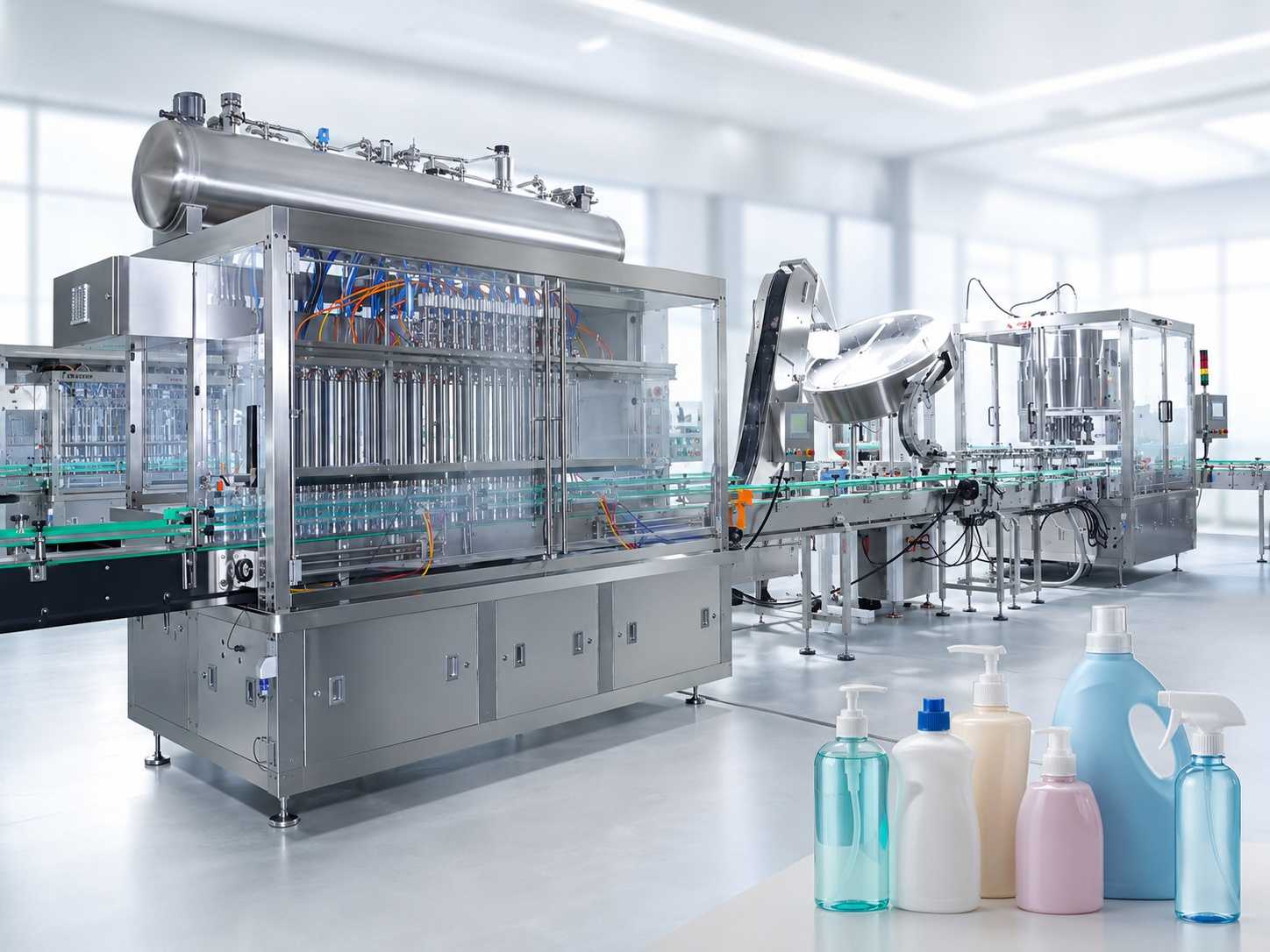
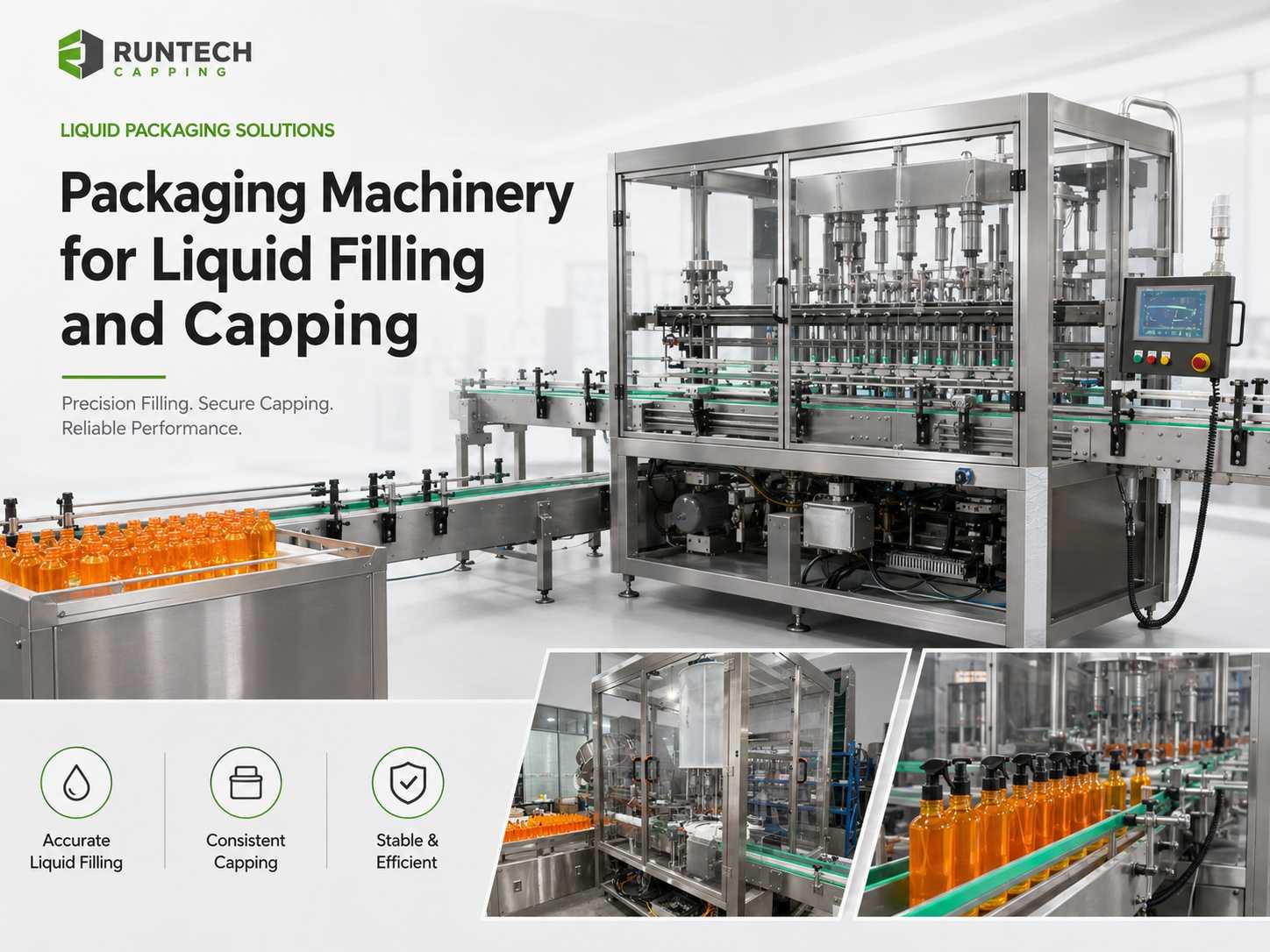
Automatic Servo Piston Filling Machine | Full Auto High Precision Viscous Liquid Filler Application: Runtech lists this machine for liquids and pastes across a range of viscosities. Selection point: Its suitability for a particular formula depends on the proposed feed, nozzle and cleaning arrangements. |
Fully Automatic Daily Chemical Filling Machine Application: Runtech presents this option for daily chemical and cosmetic liquids, including semi-pastes. Selection point: For a multi-product line, the formulation mix and changeover demands deserve particular attention. |
Related reading
Liquid Filling Machine Guide for Daily Chemical Products →
A broader look at selecting filling equipment for daily chemical products, beyond thick-material handling.
How to Choose an Automatic Filling Machine for Bottles →
Covers the surrounding automatic bottle-filling decision, including considerations beyond the product itself.
Start with Your Product, Then Compare Configurations
The starting point for a useful conversation about a viscous liquid filling machine is what the product actually does on the line. Share its operating temperature and viscosity behavior, intended output, cleaning needs and any problems already seen with feeding, air, stringing or product left behind. These details make it easier to discuss an appropriate configuration and whether a representative-material trial would be useful.
| Review a Filling Method for Your Viscous Product | Discuss Your Filling Requirements |
Frequently Asked Questions
What information should be sent before selecting a viscous liquid filler?
The most helpful information is how the product behaves at filling temperature, its target dose and output, and any known problems with shear, particles, air or nozzle cutoff. Cleaning and acceptance requirements should be clear before the machine is specified.
Is a piston filler always better for thick products?
No. Piston filling is a practical option for many thick formulations, but a chamber that refills too slowly can limit throughput even when displacement is consistent. Other products may be more difficult at the nozzle or during cleaning. The deciding factor is the actual process, not thickness alone.
When should a gear pump be considered?
A gear pump can be considered for a reasonably uniform formulation when its shear effects and internal clearances are compatible with the product. The metering arrangement, cutoff and cleanability of the full system still matter.
Should viscosity be tested at room temperature or production temperature?
The temperature during filling matters most. Room-temperature data can be misleading if the product warms, cools or changes flow behavior during production; the relevant operating range is more useful than one isolated value.
How should several viscous formulas be validated for one machine?
Choose samples that expose different difficulties: a slow-refilling cream, a stringing gel or a formulation that is hard to clean, for example. One successful run with the easiest product does not establish that the whole range will work.
What should procurement keep from the sample trial?
The most valuable record connects fill measurements with the product condition and machine settings that produced them. Notes on feeding, nozzle finish, retained material and cleaning help explain whether a satisfactory result can be repeated in production.