
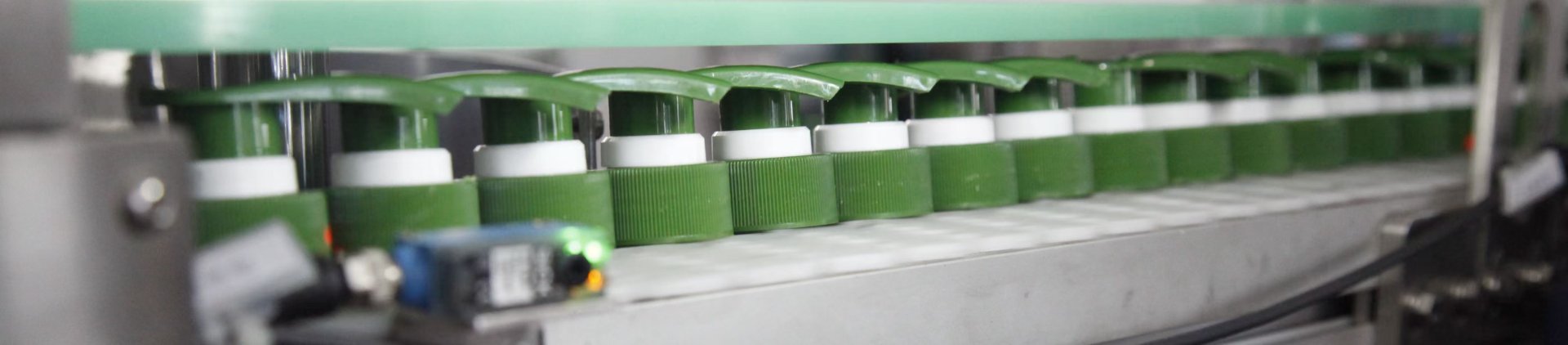
A tomato paste linear piston filling machine is worth considering when the product can enter the piston chamber consistently and discharge through the proposed filling path into the intended container. RUNTECH lists a dedicated linear piston filling machine for tomato paste, making this a relevant application to evaluate.
However, tomato paste is not a uniform material across all recipes. Concentration, sample viscosity, suspended particles and bottle geometry can change how a product behaves during filling. The actual formulation and container should therefore be reviewed before equipment suitability is confirmed.
Start with the consistency of the tomato product
The first question is not simply whether the material is called tomato paste. It is how that particular formulation behaves when it enters the filling system. Concentrated tomato paste, smooth tomato sauce and partially processed tomato products can have noticeably different flow characteristics.
Sample viscosity provides a useful starting point, but the measurement needs to reflect the intended filling conditions. Temperature, formulation and suspended ingredients can all influence how easily the product moves. A viscosity figure recorded at room temperature may not fully represent the material during production if its temperature changes.
Consistency also matters between batches. A formulation that remains uniform is easier to assess than one whose texture changes significantly during storage or handling. When comparing samples, use the actual production recipe rather than a diluted substitute or a different tomato-based product.
This distinction helps establish whether the proposed piston filling arrangement is worth evaluating. The objective is to understand the material before drawing conclusions about the machine.
Where linear piston filling fits the listed application
Piston filling uses displacement as its basic metering principle. Product enters a metering chamber, and piston movement displaces material toward the filling outlet. This makes the method relevant to applications where a defined volume needs to be delivered from a product that can be handled by the proposed filling arrangement.
For tomato paste, the important distinction is between the metering principle and the behavior of the material being handled. Piston displacement provides the basis for the filling action, but it does not automatically establish that every concentrated paste can enter the chamber and discharge through the selected product path under the required conditions.
For a dense tomato paste, consistent delivery depends on more than the piston’s displacement volume. The product must refill the metering chamber reliably between cycles, and the nozzle must stop the flow without excessive residue or stringing. If either becomes difficult at the intended operating speed, the feeding arrangement and filling-head design deserve closer review.
RUNTECH includes a dedicated tomato-paste machine among its piston filling machine listings. The range includes a tomato-paste application, but that does not mean every sauce formulation will suit the same configuration.
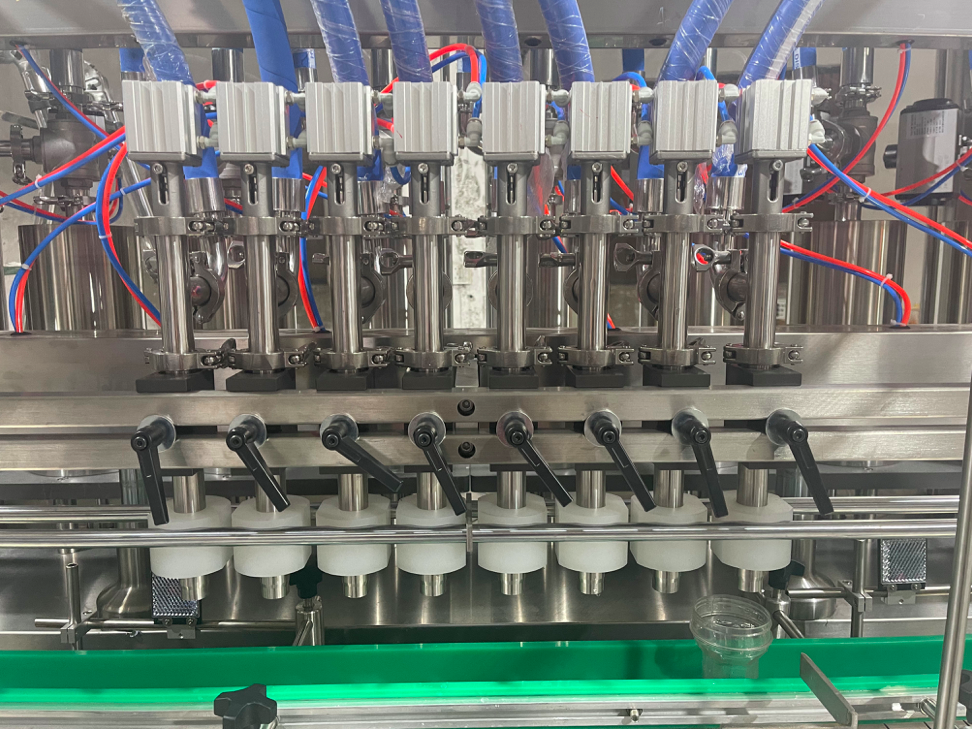
A linear piston sauce filler is therefore a relevant option to investigate when the material can be supplied and discharged consistently through the proposed configuration. The equipment category provides the commercial starting point; the actual product sample determines whether the application is suitable.
Why paste and a thinner sauce need separate sample review
A concentrated tomato paste and a pourable tomato sauce should not be treated as the same filling material simply because both are tomato-based. Their different consistencies can affect how the product enters the metering chamber and moves through the outlet.
A sample of smooth, relatively fluid sauce cannot establish that a denser paste will behave in the same way. Likewise, a successful assessment of smooth paste does not prove that a sauce containing tomato pieces or other solid ingredients will pass through the same product path without additional consideration.
Particle content introduces a separate compatibility question. Size, concentration and physical characteristics influence the clearance required through valves and filling passages. RUNTECH’s listed product description mentions a customized rotary valve for sauces containing large particles. This is relevant when discussing particulate recipes, but it does not establish a universal particle-size limit or guarantee compatibility with every formulation.
A smooth tomato paste that feeds consistently but leaves strands at the nozzle presents a different problem from a chunky sauce whose particles struggle to pass through a valve. The first calls for closer attention to nozzle shut-off and residue control; the second raises questions about valve design and flow-path clearance. These differences matter when deciding whether one filling configuration can handle both recipes.
What to check during a product change
When one line needs to handle several recipes, check whether the change calls for a different valve or nozzle, not just a new fill-volume setting.
Connect product texture and container opening to suitability
Even when the tomato product is suitable for piston-based metering, the container still needs to accommodate the filling arrangement. Bottle opening diameter, neck shape and the available clearance around the filling head all influence how the nozzle can approach the container.
This becomes particularly relevant with thick paste. A narrow opening may leave less room for the filling nozzle, while a wide-mouth container can present a different positioning requirement. Nominal bottle capacity alone does not establish whether the filling head and container are compatible.
The relationship between product texture and bottle opening should therefore be considered together. The intended nozzle position, the space available inside the neck and the product’s ability to pass through the filling outlet all matter to the application.
A representative bottle is more useful than an assumed standard container. Reviewing the actual packaging alongside the tomato sample helps identify whether the proposed filling arrangement is appropriate without relying on unconfirmed nozzle dimensions or compatibility claims.
What RUNTECH’s Tomato Paste Filler Listing Tells You
RUNTECH’s Liquid Tomato Paste Material Linear Piston Type Filling Machine is the specific product reference for this application. Its published product description identifies it as equipment intended for liquid tomato paste material.
The product listing describes different pumping arrangements, alongside a rotary valve option and a specialized filling head. These details help frame the discussion, but they should not be read as a single fixed specification for every tomato product or package.

RUNTECH · Listed Equipment
Liquid Tomato Paste Material Linear Piston Type Filling Machine
A product-specific starting point for manufacturers working with thick tomato products. Check the proposed valve, feed path and filling-head arrangement against the actual recipe and container.
Application consideration: The product page describes more than one pumping approach. Confirm which metering unit, valve and nozzle are included in the configuration being quoted.
| View the Listed Product Details |
When discussing a tomato paste filling machine with RUNTECH, share the product consistency at filling temperature, whether the recipe contains particles, the intended fill volume and the container opening dimensions. Include the target production rate so the discussion can address both material handling and the required output.
For a broader comparison of filling controls and metering methods for difficult liquids, see RUNTECH’s guide to servo and piston filling selection. The present article focuses specifically on tomato paste and its linear piston application.
Questions before the next step
Does a tomato-paste application cover every sauce recipe?
No. Different recipes can have different consistencies, flow characteristics and particle contents. Each materially different formulation should be assessed separately before compatibility is confirmed.
What changes when a sauce contains particles?
Particle size, concentration and physical characteristics become additional considerations. The proposed valve and filling passage should be reviewed with a representative sample rather than assuming that a smooth-sauce configuration will also suit particulate products.
Can a published category listing confirm speed or accuracy?
No. A category listing identifies the equipment and its stated application, but it does not establish production speed or filling accuracy for a specific formulation and operating condition. Those details require confirmation for the proposed configuration.
Next Step
Start with the Tomato Paste Sample
The right filling arrangement depends on how the paste feeds, how cleanly it leaves the nozzle and whether the container can accommodate the filling head. Use the actual recipe and packaging requirements to guide the discussion with RUNTECH rather than selecting equipment by product name alone.
| Discuss Your Filling Application | Browse Piston-Type Filling Machines |