
Filling machine and capper compatibility should be reviewed before a new bottle mold is finalized. The design review needs to cover the bottle opening, neck finish, shoulder geometry, nozzle clearance, base stability, center of gravity, sidewall behavior, closure thread, cap placement and the package after filling.
CAD approval alone is not enough. A bottle can fit nominal dimensions and still become difficult to center, fill, restrain or cap when manufacturing tolerances, liquid weight and closure engagement are introduced. The safest design-freeze decision combines drawing review with representative physical samples and, where possible, minimum- and maximum-tolerance components.
|
Check 1
Bottle geometry
Review the neck, opening, shoulder and machine contact surfaces at tolerance limits. |
Check 2
Handling stability
Check the base, center of gravity, sidewalls and restraint zones empty and filled. |
Check 3
Closure behavior
Verify cap presentation, first-thread engagement, seating and required torque with real samples. |
| Quick Answer | Neck & Nozzle | Stability | Cap & Thread | Filled State | Tolerances | Sample List | Review CTA | FAQs |
1. Quick Answer: Review Equipment Fit Before the Mold Is Finalized
A practical filling machine and capper compatibility checklist starts while bottle dimensions and tolerances can still be changed. Once a production mold is frozen, a small packaging issue such as limited nozzle clearance or an unstable gripping surface can become an equipment modification problem.
Bring packaging design, closure information and equipment requirements into the same review. Provide the latest bottle and cap drawings, tolerances, physical samples, intended product or representative test liquid, target fill condition and production speed.
Design-freeze rule: approve the package only after the machine contact points, nozzle approach, filled-bottle handling and closure engagement have been reviewed together. A single nominal prototype should not be treated as proof that production variation will run reliably.
This article focuses on bottle-design review before tooling is locked. For the process-level relationship between the two stations, see How Filling Machine and Bottle Capping Machine Work Together.
Teams evaluating filling and capping equipment should submit the package information early enough for compatibility questions to influence the bottle design rather than be discovered during commissioning.
2. Check Bottle Opening, Neck and Shoulder Against the Filling Nozzle
Filling nozzle compatibility starts with the bottle opening, but the opening diameter alone is not enough. The nozzle must approach, enter or remain above the neck as required by the filling process without contacting the bottle when both bottle and equipment dimensions move away from nominal.
Review the smallest permitted internal opening against the largest relevant nozzle dimension. Also check the external neck and space below the neck finish, because guides or locators may need a repeatable surface.
| Opening clearance | Check the minimum bottle opening against the nozzle position and the clearance required for stable filling. |
| Neck location | Confirm there is a consistent reference area for centering or bottle handling if the machine needs one. |
| Bottle shoulder | Check whether a broad, high or steep shoulder restricts the filling head or adjacent nozzle clearance. |
| Nozzle withdrawal | Confirm the nozzle can retract without touching the neck or dragging residual product across the finish. |
An offset neck adds an orientation requirement: the bottle must reach the filling position in a repeatable rotational attitude, so this should be defined before mold freeze.
3. Review Base Stability, Center of Gravity and Sidewall Contact Areas
A bottle must remain controllable while it is conveyed, filled and restrained for capping. Base contact area, center of gravity and the stiffness of guide or clamp surfaces can matter more than overall dimensions alone.
Base stability should be checked at conveyor transfers and speed changes. A narrow footprint or tall package can be more sensitive to lateral forces. Review the center of gravity both empty and filled.
Sidewall design is equally relevant. Thin panels, decorative contours and a squeeze panel may leave only a small region that can be guided or restrained without deformation. Mark the intended machine contact zones on the drawing and check whether those surfaces stay usable across bottle tolerances.
Ask one practical question: where is the line allowed to touch the bottle?
If every possible contact point is tapered, curved or flexible, the package may need more specific handling tooling. That does not automatically make the design unsuitable, but it should be known before the bottle geometry is fixed.
4. Match the Closure, Thread Start and Closing Method to the Bottle Neck
Bottle neck and capper compatibility depends on the complete closure system, not only nominal neck diameter. For a threaded cap, review the neck finish, closure thread, cap height, thread start and the surfaces involved in seating.
The cap must arrive in a usable attitude, land on the neck, engage the first thread and reach the required seating condition. If it starts at an angle, higher torque is not a substitute for correct engagement; centering, presentation or thread variation may be the real cause.
If the finished cap must face a particular direction, include that requirement in sample qualification. Orientation can affect how the bottle or closure must be controlled through the closing process. Do not transfer a torque setting from an older package simply because the new closure looks similar; suitable torque requires confirmation with the actual bottle-and-cap combination.
When a project is also changing cap style, the supporting guide Different Closure Types and Capper Setup provides the next level of closure-specific context.
5. Recheck Liquid Level, Weight and Bottle Shape After Filling
Compatibility testing should not stop with empty bottles. Filling changes mass, liquid movement and sometimes bottle shape, which can alter the package as it enters capping.
Check the intended fill condition and headspace. Foaming, splashing, dripping or stringing can contaminate the neck finish and affect closure seating. If a substitute liquid is used during early trials, identify what still needs validation with representative product.
Filled weight changes transfer behavior, while flexible containers may deform under guide pressure or capping restraint. If the bottle twists during tightening, the capper may lose a stable reaction surface.
Qualification question: can the same package be filled, transferred, restrained and capped repeatedly in its real filled condition? Passing a static empty-bottle fit check answers only part of that question.
6. Test Worst-Case Tolerance Combinations and Boundary Samples
A common qualification mistake is sending only visually good prototypes close to nominal dimensions. Production bottles and caps vary. The review should therefore challenge the operating window with dimensions moving toward unfavorable limits.
For example, a minimum bottle opening may coincide with a shifted neck position, or bottle and closure threads may each remain within specification while their combined condition makes engagement harder.
|
Challenge filling and handling
Use boundary samples to check nozzle clearance, bottle centering, conveyor clearance, gripping and neck positioning. |
Challenge closure engagement
Pair bottle and cap samples that make placement, first-thread engagement, seating or required orientation more demanding. |
One hand-selected bottle can prove the concept, but not the production margin. Ask suppliers for relevant tolerances and include the most difficult practical combinations in the approval trial.
7. Joint Sample Checklist Before the Bottle Design Is Frozen
A new bottle sample compatibility test should combine controlled documents with physical samples so the bottle, closure, liquid and operating condition are reviewed as one system.
Provide the latest controlled bottle drawing with tolerances, neck finish and opening dimensions, plus the closure drawing and any required final cap orientation.
Send representative bottles and caps, including minimum- and maximum-tolerance examples where they can be obtained. Include every materially different package format planned for the equipment.
Identify viscosity, foaming, dripping or stringing behavior that could affect filling or the neck area. If a substitute liquid is used, state what still needs final validation.
State the target operating speed and planned bottle or cap variants. Future formats should be treated as review inputs, not assumed compatible before testing.
During the trial, watch bottle approach, centering, nozzle clearance, filling, transfer, restraint, cap placement and final seating. If a sample fails, record the first point where control is lost.
Buyer recommendation: before mold freeze, submit drawings, dimensional tolerances, physical bottles, caps and target speed. Use minimum- and maximum-tolerance samples for a combined filling and capping trial whenever they are available.
8. Complete the Compatibility Review Before Design Freeze
A sound approval sequence is drawing review → prototype review → boundary-sample testing → joint filling and capping validation → design freeze. It keeps package changes possible until the critical compatibility questions have been tested.
Separate what has already been demonstrated from what still needs sample confirmation, especially for a new closure, asymmetric bottle, flexible sidewall or tight nozzle clearance.
The goal is to review a new bottle against the filling and capping process before tooling is locked, then use test evidence to confirm the final machine setup.
Two equipment pages to review after the package criteria are defined
These product pages are relevant references after the package criteria are defined. Actual bottle, cap and formulation compatibility still requires drawing review and sample testing.
|
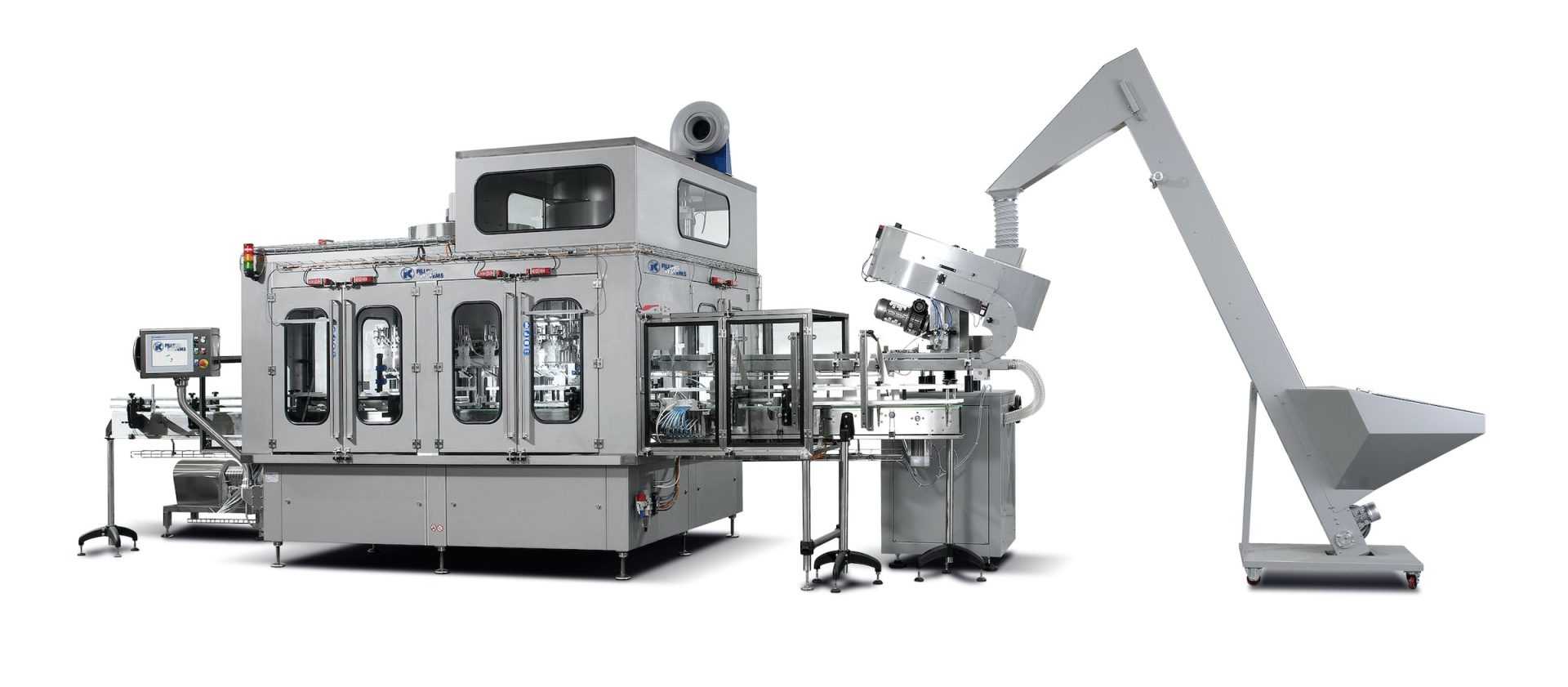
Automatic Filling and Capping All-in-One Machine | Full Auto Liquid Processing Equipment Use as a reference when: the project is evaluating an integrated sequence from bottle handling through filling and capping. Confirm first: actual bottle geometry, closure, product and target operating condition with samples. |
Automatic Cosmetic Filling and Capping Machine | Daily Chemical Bottle Screw Capper Use as a reference when: a cosmetic or daily-chemical project combines filling with screw capping in one packaging flow. Confirm first: bottle format, cap engagement, formulation behavior and sample compatibility. |

Related reading
How Filling Machine and Bottle Capping Machine Work Together →
Use this for the process relationship between filling and capping after the package itself has been qualified.
Different Closure Types and Capper Setup →
Use this when cap style changes introduce a separate capper setup decision.
Freeze the package after the difficult samples have been reviewed
Before final tooling approval, submit drawings, tolerances, bottles, caps, product information and target speed. Use difficult tolerance combinations to verify filling machine and capper compatibility rather than relying on nominal samples.
The same package data can then support evaluation of an integrated bottle filling and capping line without turning the design review into a generic machine search.
| Review Integrated Filling and Capping Equipment | Discuss Bottle Drawings and Sample Requirements |
Frequently Asked Questions
Can CAD drawings confirm filling nozzle compatibility without physical bottles?
Drawings can identify likely clearance and interference issues, but they cannot fully show bottle stiffness, dimensional variation, conveyor behavior or filled-package stability. Physical samples should be part of final compatibility approval.
How many bottle samples are needed for a new bottle sample compatibility test?
There is no universal quantity. Prioritize representative samples and relevant minimum- and maximum-tolerance conditions rather than many identical nominal bottles. Confirm the required quantity before the trial.
Should bottle and cap samples be tested separately or together?
Both components should ultimately be tested as the intended package. The bottle affects positioning and restraint, while the cap and neck finish determine placement, thread engagement and seating. Separate checks are useful, but they do not replace joint validation.
Does changing only the cap require another compatibility review?
It can. A new cap can change placement, first-thread engagement, required torque, cap height or final orientation even when the bottle remains unchanged. Closure changes should be reviewed before production approval.
What should procurement request before approving equipment for a new bottle?
Request a documented review based on current bottle and closure drawings, relevant tolerances, physical samples, the product or representative liquid, target operating conditions and any required package orientation. Future formats should not be assumed compatible without review.
When should a new bottle design be frozen?
Freeze the design after drawings, tolerances and representative samples have been reviewed together and the intended filling, bottle handling and capping conditions have been validated. Where practical, include the most challenging tolerance samples before releasing final tooling.