
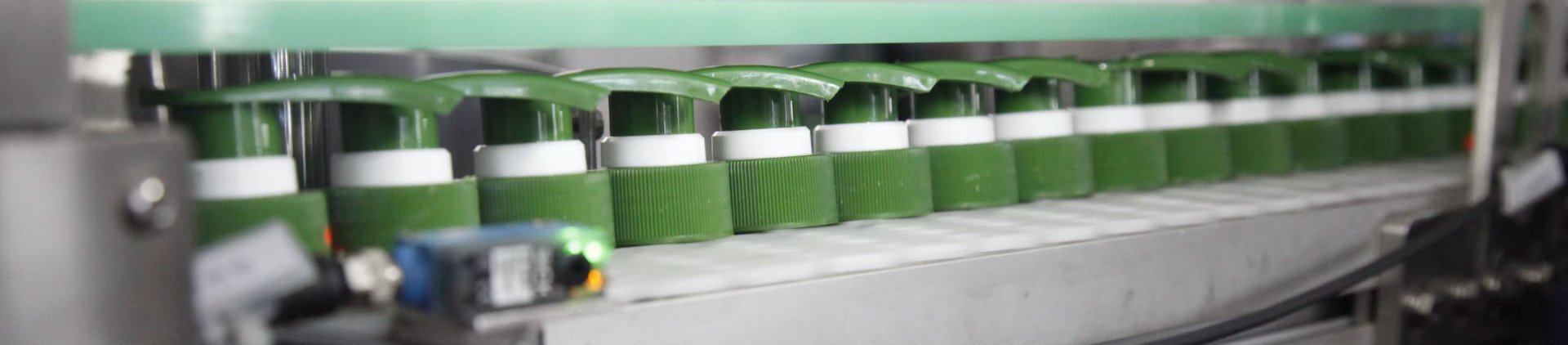
Multi-SKU production can turn a normal format switch into the longest interruption of a shift. One station may already be ready while another still waits for change parts, bottle guides may move after filling alignment, or cap feeding may remain unstable after the capping section has been adjusted. For an integrated filling and capping machine, the important question is not how quickly one adjustment can be made. The real issue is which work comes first, which tasks can overlap, and what must be confirmed before production restarts.
A practical filling and capping machine changeover plan makes those dependencies visible before the previous SKU leaves the line. Instead of treating filling, transport, cap feeding, and capping as separate machines, it follows the bottle through the complete process. That approach reduces repeated adjustments and creates a clearer path from the final bottle of one run to the first approved bottles of the next.
Planning focus:
This guide deals with whole-line SKU dependencies, task order, parallel work, first-off validation, repeat-run records, and RFQ preparation. It does not repeat detailed single-machine adjustment procedures.
Build a SKU Changeover Matrix Across the Whole Line
A useful changeover plan starts with actual production combinations rather than product names. One SKU may change only the liquid, while the next introduces a different bottle, closure, orientation requirement, and handling route. Although both appear as one line on a production schedule, they create very different work on the floor.
The first planning tool should be a SKU changeover matrix. Each row represents one real liquid, bottle, and cap combination. The matrix then shows which conditions remain unchanged and which stations need attention when production moves from one row to another.
Record information that changes an actual task
A large spreadsheet is not automatically useful. Every field should answer an operational question. Bottle height matters when it changes guidance, filling position, support, sensing, or closure application. Likewise, a cap reference matters when it changes sorting, orientation, feeding, transfer, or tooling.
Data that never changes a changeover decision can remain in the packaging specification. This keeps the matrix readable during planning meetings and shift preparation. More importantly, it lets different SKU transitions be compared without searching through several separate documents.
A practical whole-line matrix can include:
- Product or liquid family and relevant handling behaviour.
- Bottle reference, shape, height, width, neck geometry, and stability concerns.
- Closure reference, cap type, and any orientation requirement.
- Filling recipe or setup reference.
- Conveyor guide, support, sensor, and transfer references.
- Cap-feeding setup and associated change components.
- Capping setup and tooling reference.
- Cleaning or product-transition requirement.
- First-off inspection points.
- Expected changeover frequency and common previous or next SKU.
Group SKUs by machine behaviour, not marketing name
Several labelled variants may use exactly the same bottle and closure. In that case, much of the packaging-side setup can remain common even when product preparation changes. Conversely, two bottles that look similar in a warehouse can behave differently once they begin moving through guides and transfers.
For example, a small neck difference may change the way a cap meets the bottle. A softer bottle wall may need different support during closure application. A tall container may also become less stable after filling adds weight above its base.
Production families should reflect real machine conditions. Once compatible groups become visible, the production schedule can compare cleaning rules, material priorities, and mechanical change burden before deciding the running order.
| Change Layer | What Changes? | Likely Line Impact | Planning Question |
|---|---|---|---|
| Product | Liquid or fill condition | Product preparation and filling setup | When can representative wet testing begin? |
| Bottle | Geometry or stability | Guides, transfers, sensing, filling position | Which downstream stations depend on the new centreline? |
| Cap | Type or orientation | Feeding, transfer, positioning, capping | Which cap-handling tasks must finish before final capping checks? |
Separate Product, Bottle and Cap Changes
One production stop often gets reported as a single changeover time. That number hides several different jobs. Separating product, bottle, and cap changes makes the delay easier to understand and prevents one station from being blamed for work that belongs elsewhere.
A common floor situation makes the problem easy to picture. The filling section is ready, but the next cap set has not reached the feeder. At the same time, the bottle guides are still moving. The line looks busy from every side, yet no station has a stable condition for final testing.
Product change
Track product preparation, filling conditions, product-contact requirements, and the point where representative filling trials can begin.
Bottle change
Track guides, supports, transfers, sensing, filling position, and the bottle path through each connected station.
Cap change
Track sorting, orientation, delivery, transfer, positioning, tooling, and the incoming bottle condition at closure application.
A new liquid does not only mean a different fill target
Different liquids can behave differently even when the bottle stays unchanged. Flow, foaming, stringing, settling, or other product characteristics may change the practical filling approach. One stored setup should not be assumed to work for every formula without confirmation.
Exact values should come from approved production information and real trials. The changeover record should reference those confirmed settings rather than rely on remembered adjustments from a previous shift.
A bottle needs to be checked while moving
Static dimensions tell only part of the story. A bottle can fit neatly between guide rails and still wobble during acceleration. Another format may rotate at a transfer or move off-centre before the filling position.
The container may also behave differently once product has been added. Bottle-format verification should include movement through the actual production route rather than a stationary fit check alone.
Cap changes begin upstream of the capping station
A closure failure may begin during sorting, orientation, delivery, or transfer. A tilted or delayed cap can reach a correctly adjusted capping mechanism in the wrong condition. The final station should not be adjusted repeatedly until the incoming cap presentation has been checked.
When a separate bottle capping machine forms part of the line, bottle arrival and cap supply should remain part of the same changeover discussion. This upstream view gives later troubleshooting a clearer starting point.
Sequence Filling, Conveyor, Cap Feeding and Capping Adjustments
A good changeover sequence prevents one adjustment from cancelling another. Final nozzle alignment becomes wasted work if a later guide adjustment moves the bottle centreline. Likewise, final closure setup is difficult to judge while cap presentation is still changing.
The sequence should move from stable physical references toward finer process adjustments. The exact workflow depends on the installed line, but the dependency principle remains the same.
A practical whole-line order
- Establish the bottle route. Set major guides, supports, transfers, and relevant sensing references.
- Confirm filling position. Align the filling section after the bottle route becomes stable.
- Apply the confirmed product setup. Use the approved recipe or production reference as the starting point.
- Stabilise cap feeding. Confirm sorting, orientation, delivery, and presentation.
- Set the capping process. Evaluate closure application with the real incoming bottle-and-cap condition.
- Run the connected process. Complete first-off validation before normal production release.
Start with the physical bottle path
Stored recipes can reduce preparation time, but software cannot correct an unstable bottle route. Several representative containers should first pass through the main transfer points without abnormal contact, leaning, rotation, or repeated manual correction.
Once that route is stable, downstream alignment becomes more meaningful. The bottle path creates the mechanical reference used by filling and closure handling.
Confirm automatic cap presentation before final closure approval
Manually placing caps can help isolate a problem during diagnosis. However, it does not prove that the normal cap-feeding route is stable. Final validation should include the actual sorting and delivery process expected during production.
This matters particularly when closure geometry affects orientation or transfer. Pumps, triggers, and other asymmetric components can create different handling conditions before they reach the final application point.
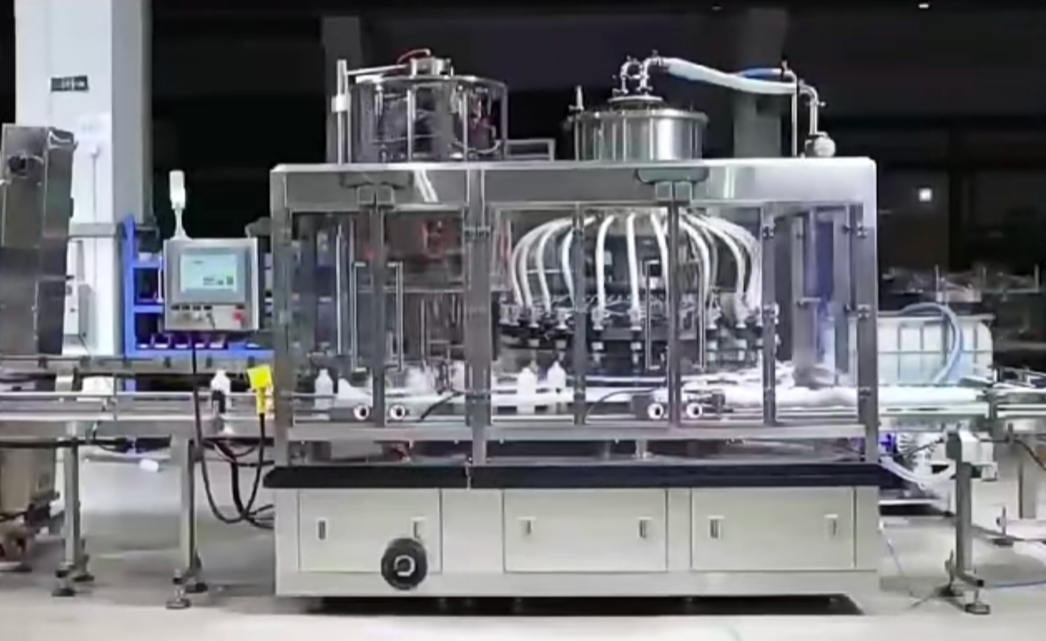
Viewing the integrated equipment layout helps map where bottle handling, filling, cap supply, and closure application depend on one another during a format change.
View Integrated Equipment → |
The high speed servo type filling and capping machine provides one relevant integrated equipment reference for this type of planning. Final configuration should still be compared against the actual liquid, bottle, closure range, changeover frequency, and representative samples rather than assumed from a single format.
Parallel vs Sequential Changeover Tasks
Shorter changeover time does not always require faster hands. Often, the larger opportunity comes from moving independent preparation outside stopped-line time. Apparent parallel work can still create extra rework when dependencies are ignored.
Bottles, caps, tools, approved records, packaging samples, and identified change parts can often be staged before shutdown. Work that needs a stable mechanical position or controlled access should remain in the stopped-line sequence.
Ask whether two tasks can finish independently
The useful question is not whether two people can work at the same time. Instead, ask whether both tasks can finish without one forcing the other to start again. This simple test separates genuine parallel work from activity that only looks efficient.
Cap-feeder components may be prepared while bottle-format parts are staged. Final filling alignment, however, should not be approved while the bottle route is still moving. Final capping checks also need a stable incoming cap condition.
| Task | Before Line Stop? | Parallel Potential | Main Dependency |
|---|---|---|---|
| Stage bottles and closures | Often | High | Confirmed production schedule |
| Prepare change parts | Often | High | Correct SKU identification |
| Set bottle guides | Usually after stop | Medium | Incoming bottle format |
| Final filling alignment | Limited | Low to medium | Stable bottle route |
| Connected first-off test | No | Low | All required stations ready |
Pre-staging removes avoidable waiting
Small delays feel much larger after the conveyor has stopped. A missing tool, unclear change-part label, unavailable closure sample, or obsolete setup sheet can hold several stations at once. Preparation should expose these gaps before the final bottle of the previous SKU leaves the line.
The changeover becomes more controlled when the next format arrives as one prepared package. Components are identified, records match the scheduled SKU, and the required samples are already available. That discipline often provides more value than simply asking for faster adjustment.
First-Off Validation Before Full Production
A bottle reaching the discharge conveyor does not prove that the new SKU is ready. One successful cycle only shows that one cycle worked once. The first-off stage should confirm that the connected production route behaves consistently with representative components.
This is also where small problems become visible before normal output begins. A cap may occasionally arrive tilted, a filled bottle may become unstable at one transfer, or repeated manual correction may appear after several cycles. Catching those patterns early keeps troubleshooting out of routine production.
Validate the connected route rather than isolated stations
Representative containers should enter through the intended infeed and move through the normal filling, cap feeding, capping, and discharge sequence. Isolated tests remain useful during diagnosis. Final release, though, needs the conditions expected during production.
Filled bottles should also be included because their handling can differ from empty samples. Product mass and movement can change bottle stability. A container that travels well when empty should not be treated as sufficient proof of the finished package route.
A first-off review can include:
- Bottle entry, spacing, guide contact, and transfer stability.
- Filling position and fill result using the approved measurement method.
- Bottle condition around the neck after filling.
- Cap orientation, delivery continuity, and presentation.
- Closure engagement and package condition after application.
- Relevant leakage or sealing checks required by the package specification.
- Stops, alarms, repeated manual correction, or abnormal intervention.
- Bottle stability through downstream transfer before production release.
Record the pattern, not only the defect name
A defect that appears on every bottle suggests a different investigation from one that occurs occasionally. Consistent off-centre presentation may indicate a stable setup mismatch. Intermittent failure may instead point toward feeding variation, bottle movement, timing, or packaging variation.
A first-off record should capture where the symptom appears and whether it repeats. A note such as “closure problem” gives little direction. Recording that the condition appears after a specific transfer or only on occasional cap presentations provides far more useful evidence.
Troubleshoot backward from the visible failure
A downstream closure problem should not automatically trigger another capping adjustment. First, check the incoming bottle position, closure orientation, transfer condition, and cap presentation. This sequence protects a correct final setting from unnecessary changes.
Likewise, bottle instability after filling can begin with guide position, package geometry, product movement, or the transfer itself. Working backward through the process often shortens diagnosis because it follows the real dependency chain.
Record Settings and Change Parts for Repeat Runs
A successful changeover should make the next run easier. A page filled with isolated settings, however, does not create repeatability. Every reference needs to stay connected to the complete product, bottle, closure, and line configuration that produced the accepted result.
On a repeat run, the difference becomes obvious. Instead of searching for a handwritten guide position or asking which cap component worked last time, the production team opens one controlled SKU record. The required parts, setup references, known sensitivities, and first-off checks are already connected.
Store the whole configuration
A filling recipe without the bottle reference can be misapplied. Similarly, a capping reference without the correct closure identification creates ambiguity. The setup record should identify the complete SKU before listing individual station references.
Useful repeat-run records can include:
- SKU and revision reference.
- Product, bottle, and closure identification.
- Approved filling setup or recipe reference.
- Guide, support, and transfer reference positions.
- Relevant sensor positions.
- Cap-feeding components and setup reference.
- Capping tooling and adjustment reference.
- Known setup sensitivities from earlier runs.
- Upstream condition that must be confirmed before a dependent station is released.
- First-off inspection and approval route.
- Revision date and reason for controlled changes.
Stored settings are starting points, not automatic approval
Previous settings can shorten setup time, but current conditions still need confirmation. Packaging batches can vary, components wear, and maintenance may change a physical reference. The recorded value guides the restart but does not replace first-off validation.
Recurring corrections also deserve attention. If the same undocumented adjustment appears on every repeat run, the controlled setup may be incomplete. That recurring workaround should become an engineering review point rather than remain informal shift knowledge.
Organise change parts around the real work
Similar-looking guides, holders, tooling, or cap-handling components can create long delays when identification is weak. Each change part should show its station and compatible format. Storage should also make a missing component obvious before the line stops.
For example, bottle-format components can be grouped into one clearly identified kit when that arrangement matches the actual changeover sequence. Closure-specific items can remain separate where required. The important point is fast identification, controlled status, and a direct link back to the SKU record.
RFQ Information for a Multi-SKU Line
A multi-SKU equipment request needs more than one bottle drawing and a desired production figure. The project brief should show the real combinations expected on the line. This gives changeover requirements a place in the engineering discussion before equipment configuration becomes fixed.
Separate lists of liquids, bottles, and caps are not enough because they do not show which components run together. A combination matrix does. Every important SKU should connect its product, container, closure, production expectation, and change frequency.
Submit the transition case, not only the SKU list
A useful line-changeover RFQ should show both the current SKU and the next SKU. That pair reveals which stations actually change and which settings remain common. It also makes frequent transitions easier to distinguish from rare format changes.
For each important transition, record the affected station, required change part, upstream prerequisite, and whether preparation can happen before shutdown. The first-off release point should also be identified. These fields turn a general equipment request into a real whole-line changeover case.
| Current SKU → Next SKU | Affected Station | Change Part / Setup | Prepare Before Stop? | Upstream Prerequisite | First-Off Release Point |
|---|---|---|---|---|---|
| Record actual transition pair | Identify affected workstation | List confirmed part or setup reference | Yes / No / Limited | State the condition that must already be stable | Define the required confirmation stage |
Submit difficult transitions as well as normal production
The easiest SKU rarely defines the hardest engineering requirement. A stable bottle with a simple closure may run without revealing the line’s changeover limits. By contrast, an unusual bottle shape or oriented closure can expose handling dependencies much earlier.
The project discussion should identify the formats with the largest change between them. Representative samples can then support a more useful test plan instead of relying on assumptions from one convenient package.
Prepare these project inputs:
- Complete liquid, bottle, and cap combination matrix.
- Current SKU → next SKU transitions that occur most often.
- Stations affected by each important transition.
- Known change parts and current setup references.
- Tasks already prepared before shutdown and tasks that still consume stopped-line time.
- Representative liquid information and known filling concerns.
- Bottle drawings, dimensions, and physical samples where available.
- Closure drawings and samples, especially where orientation matters.
- Planned changeover frequency and common SKU transitions.
- Planned production requirements by important SKU or family.
- Existing filling, conveyor, cap-feeding, capping, and downstream equipment.
- Current operating sequence and known changeover bottlenecks.
- Available layout drawings or measured installation area.
- Current first-off approval method and package checks.
Changeover frequency changes the equipment discussion
A production line that runs one format for several days has a different priority from a line switching repeatedly between short runs. When format changes happen often, accessible adjustment points, recipe management, organised parts, and repeatable setup references become more important.
Known future formats should enter the discussion early as well. Otherwise, equipment can be optimised around today’s easiest package and become difficult when another bottle or closure enters production later.
Use physical samples to test handling assumptions
Drawings define nominal dimensions, but automation interacts with real packaging. Bottle flexibility, base stability, surface friction, neck position, and closure geometry can all influence transfer or feeding behaviour. Representative samples provide useful evidence before final changeover assumptions are accepted.
Where several production batches are available, the review should also consider normal packaging variation. The exact test quantity depends on the project, so it should be agreed during technical evaluation rather than copied from a generic rule.
Explore Related Runtech Equipment
These equipment pages provide logical next comparison points for an integrated multi-format project. Final suitability still depends on the actual SKU matrix, packaging samples, and required changeover workflow.
Automatic All-in-One Equipment
Review an integrated equipment direction when filling and closure handling need coordinated changeover planning.
Servo Integrated Line
Compare the servo equipment example above against the required bottle, closure, liquid, and changeover range.
Rotary Capping Equipment
Review closure-handling options when cap feeding and application create the main changeover challenge.
Turn the Changeover Matrix Into a Testable Line Brief
Whole-line changeover becomes more predictable when the production sequence is visible before the equipment stops. The strongest plan separates product, bottle, and closure changes, establishes physical references before dependent adjustments, and confirms the complete connected process before release.
Before an equipment review, complete three practical actions:
- Map: list every important liquid, bottle, and cap combination rather than sending separate component lists.
- Compare: mark common settings, change parts, dependencies, and the SKU transitions that create the largest difference.
- Test: prepare representative bottles, closures, liquids, and the current operating sequence for a project-specific review.
Submit the SKU matrix together with changeover frequency, planned production requirements, available layout information, existing stations, and representative components. Include the frequent SKU-to-SKU transitions, tasks already prepared before shutdown, current bottlenecks, and first-off release points. These inputs create a practical basis for discussing adjustment order, change-part locations, cap-feeding dependencies, and sample-testing priorities.
For a multi-format filling and capping machine project, the next step is to compare the hardest SKU transitions before the final equipment configuration is confirmed.
Frequently Asked Questions
What should a SKU changeover matrix include?
A practical matrix should connect each SKU with its liquid, bottle, closure, filling reference, bottle-handling setup, cap-feeding setup, capping setup, required change parts, cleaning requirement, and first-off checks. It should also show which settings remain common between production families so unnecessary full-line changes are easier to identify.
Which changeover tasks can run in parallel?
Pre-staging bottles, closures, samples, tools, documents, and identified change parts can often happen before shutdown. Some mechanically separate activities may also overlap. Final adjustment should remain sequential whenever one station changes the physical reference required by another station.
How should first-off bottles be validated after a line changeover?
Representative bottles should pass through the intended production route with the relevant liquid and closures. The review can cover transport stability, filling position, cap presentation, closure application, package condition, and required quality checks. Several consecutive cycles provide more useful evidence than one successful bottle, while the exact acceptance criteria should come from the established quality plan.
Do stored settings remove the need for repeat-run verification?
No. Stored recipes and reference positions can shorten preparation, but packaging variation, component wear, maintenance work, or another controlled change can affect current conditions. Recorded values should guide setup while first-off checks confirm the current production run.
What information is needed when planning a new multi-SKU line?
The technical brief should include the complete liquid-bottle-cap matrix, frequent SKU-to-SKU transitions, affected stations, representative samples or drawings, planned changeover frequency, production requirements, existing equipment, available layout information, and the current operating sequence. Difficult transitions should also be identified because they often reveal the real changeover requirement more clearly than the easiest format.