
Shampoo, liquid soap, hand wash, detergent, lotion, body wash, and household cleaner packaging all depend on stable filling. These products do not flow, foam, drip, or cap in the same way. A thin cleaner may splash during filling, while a thick shampoo may leave a string at the nozzle. A practical packaging line should begin with the actual product, bottle, cap, target output, and production layout.
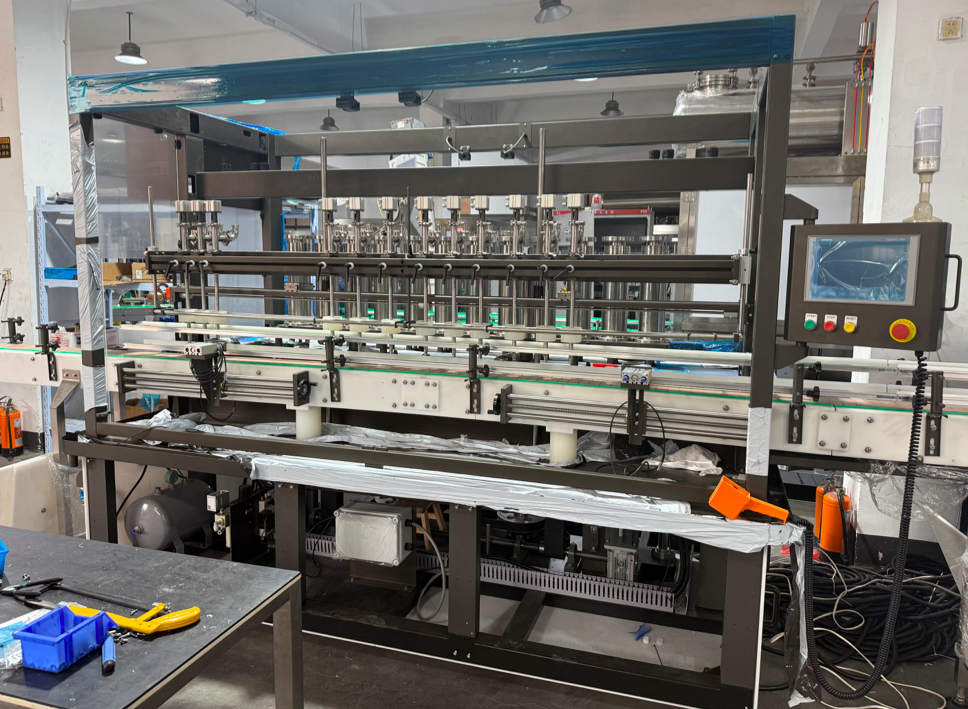
For daily chemical applications, Runtech Capping provides an inline daily chemical filling machine solution for hand soap, shampoo, lotion, liquid soap, and similar non-food liquid products. This guide explains how to select filling and capping equipment for real production needs without assuming that every daily chemical liquid can share one fixed setup.
Jump to: What It Is | Product Needs | Filling Methods | Filling + Capping | Suitable Projects | Inquiry Checklist | FAQ
| View Daily Chemical Filling Solution | Send Product Details |
What Is a Daily Chemical Filling Line?
A daily chemical filling line places a measured amount of non-food liquid or semi-liquid product into bottles. In most production layouts, the filling section works with bottle feeding, conveying, cap placing, capping, labeling, coding, and final packing. Filling quality affects every station after it.
For shampoo, soap, detergent, lotion, and cleaner packaging, the line must control volume, foam, dripping, bottle stability, and cap alignment. If liquid remains on the bottle neck, the cap may not tighten cleanly. If bottles shake after filling, labeling and capping may also become unstable.
A line should also match the real production style. Some factories need flexible bottle changes and moderate output. Others need stronger automation, fewer manual steps, and tighter synchronization between filling and capping. The same equipment layout does not fit every project.
A liquid filling machine may use piston filling, pump filling, flow meter filling, weighing filling, or another method. However, the correct choice depends on the liquid viscosity, bottle shape, cap type, target capacity, and automation level.
Core jobs of the filling section
- Control fill volume during real production, not only during a short test.
- Move thin, medium, and thick liquids without unnecessary foam or splash.
- Reduce dripping around the nozzle and bottle mouth.
- Keep bottles stable before, during, and after filling.
- Connect smoothly with pump cap, trigger cap, screw cap, or flip-top cap capping.
Many filling principles are shared across industries, but a daily chemical line must still be configured around formula behavior, chemical compatibility, bottle appearance, cleaning routines, and cap handling. Food and pharmaceutical projects may also follow different hygiene, validation, or regulatory requirements. For shampoo, soap, and detergent, foam control, cap handling, product residue, and bottle appearance often matter more than a single maximum-speed number.
Shampoo, Soap and Detergent Filling Needs
Shampoo filling usually requires clean cut-off and stable movement. Some formulas are smooth and light. Others are thick, pearlized, or gel-like. Nozzle diameter, filling pressure, and filling speed should match the formula instead of relying on one fixed setting.
Liquid soap and hand wash often foam when liquid falls too quickly into the bottle. In this case, a slower filling speed, bottom-up filling action, or better nozzle position may improve bottle appearance. Meanwhile, pump cap compatibility should also be checked because hand soap bottles often use pump heads.
Detergent packaging can be more varied. Laundry detergent, dishwashing liquid, fabric softener, floor cleaner, and bathroom cleaner may have different viscosities and bottle shapes. In addition, detergent bottles may use handles, angled shoulders, wide bodies, or measuring caps.
Lotion and body wash products often require smoother product transfer. These liquids can trap air or leave strings during filling. Filling pressure, nozzle design, anti-drip control, product supply, and product-contact parts should be discussed before final equipment selection.
Shampoo and body washThese products often need controlled filling, clean anti-drip nozzles, and stable bottle handling. Thick formulas may need piston filling or a pump selected for the actual formula. |
Hand soap and liquid soapFoam control is usually important. Filling speed, nozzle height, bottle-mouth cleanliness, headspace, and pump-cap handling should be reviewed together. |
Detergent and cleanersBottle shape and cap type often create extra work. Handle bottles, trigger caps, measuring caps, and wider bodies need stable conveying and capping. |
Why viscosity cannot be ignored
Viscosity describes how easily a liquid flows, but daily chemical products do not always behave like simple water or paste. Some liquids become stringy near the nozzle, while others foam when pumped too quickly. Product temperature can also change viscosity and real filling performance.
Product samples or viscosity information help reduce selection risk. A short video showing how the liquid flows can also support an early discussion. Final machine configuration should still be confirmed with the bottle size, cap type, production target, filling temperature, and cleaning requirements.
Why bottle shape changes the line design
Round, rigid bottles usually move smoothly. Oval bottles, flat bottles, handle bottles, and soft plastic bottles may need stronger side guidance. If the bottle shakes, nozzle alignment, filling cleanliness, labeling, and capping position can become unstable.
Bottle height, neck size, opening diameter, base shape, and material stiffness also affect nozzle position and conveyor handling. A tall shampoo bottle may require different filling-head movement from a short hand soap bottle. Bottle drawings or real packaging samples should be reviewed before line confirmation.
| View Detergent Filling Machine | Browse Filling Machine Category |
Choosing the Right Filling Method
Filling method is central to line selection, but it should not be separated from bottle handling, cap style, cleaning work, and production rhythm. A filling method that works well for one detergent may not suit a thick lotion or foaming hand soap.
Piston filling is often considered for medium- and high-viscosity products. It can support shampoo, lotion, body wash, liquid soap, and gel detergent when the piston size, valve structure, product supply, and nozzle design match the product. It is a practical direction for many daily chemical applications that need controlled volumetric filling.
Pump filling can also fit many daily chemical liquids. Different pumps suit different product behavior: some formulas need gentle transfer, while others need stronger product movement. Pump type, hose size, seals, product tank, and nozzle design should be selected together.
Flow meter filling or weighing filling may be considered for certain liquid products. Foam, air bubbles, viscosity changes, container stability, and unstable flow can influence performance, so product data or sample testing is useful before choosing either direction.
An automatic filling machine may use servo control for easier adjustment and repeatable motion. Servo control is a drive and control feature rather than a separate filling principle. The actual piston, pump, meter, valve, nozzle cut-off, product path, and bottle stability remain just as important.
| Filling method | Common application direction | What to confirm before selection |
|---|---|---|
| Piston filling | Medium- and high-viscosity shampoo, lotion, body wash, gel detergent, and similar products. | Piston range, valve structure, product supply, nozzle cut-off, cleaning method, and the change parts needed for different fill volumes. |
| Pump filling | Thin, medium, or viscous liquids when the pump is correctly matched to the formula. | Pump type, product shear, foam behavior, hose and seal compatibility, flow stability, cleaning, and maintenance access. |
| Flow meter filling | Certain liquids with sufficiently stable flow characteristics. | Meter suitability, air bubbles, foam, viscosity changes, conductivity when relevant, and consistency of product supply. |
| Weighing filling | Certain larger containers or products where weight-based control is preferred. | Scale stability, container support, filling time, foam, conveyor transfer, and the required production rhythm. |
Piston filling for thicker formulas
Piston filling often suits shampoo, lotion, cream-like soap, and thick detergent. It moves a measured amount of product into the container through a controlled stroke. The result still depends on product supply, piston range, valve structure, nozzle size, and filling speed.
For thick products, the nozzle must cut cleanly after filling. Otherwise, product strings may remain near the bottle mouth. Anti-drip design, filling pressure, nozzle size, and product path should be discussed before the final configuration.
Pump filling for flexible product ranges
Pump filling can help when several product volumes or liquid types share one line, but the pump must match the product. Thin cleaners, foaming soap, and thick lotion may require different pump behavior, seals, hoses, and speed settings.
Product-contact materials should suit the liquid formula. Fragrance, surfactants, colorants, solvents, oxidizers, and cleaning agents may affect material selection, seals, hoses, and cleaning routines. Formula details and a safety data sheet should be shared during the inquiry stage when applicable.
Filling speed and real output
Speed should be discussed carefully. A high filling speed is not useful if it creates foam, splash, or messy bottle necks. Instead, real output should balance filling quality, capping stability, changeover time, and cleaning time.
Target capacity should identify the bottle size, product, filling method, number of filling heads, and whether the quoted speed includes cap placement and capping. A 500 ml hand soap line and a 1 liter detergent line may need different equipment settings even if both products belong to daily chemical packaging.
Matching Filling and Capping
Filling and capping should be planned as one process. If the filling nozzle leaves residue on the bottle neck, the cap may not tighten cleanly. If the bottle is unstable after filling, the cap placing station may also become unstable.
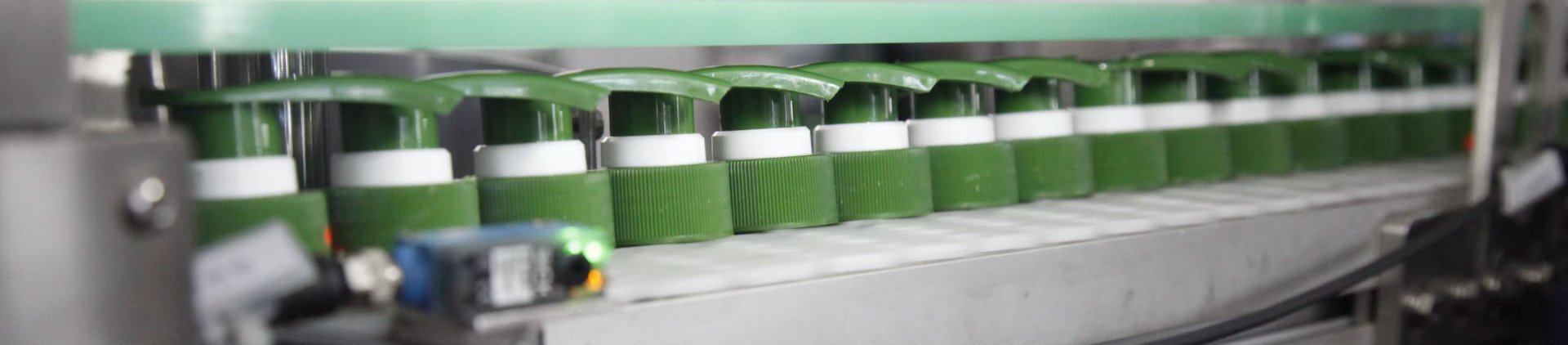
Shampoo and body wash bottles often use screw caps, flip-top caps, or pump heads. Hand soap may use pump caps or foam pump caps. Detergent bottles may use screw caps, trigger sprayers, measuring caps, or press caps. Cap style has a direct effect on feeding, placement, tightening, bottle holding, and overall line design.
Pump caps need special attention because they include a dip tube and taller closure body. The tube length, cap shape, bottle neck, and placement path all affect capping performance. Meanwhile, trigger caps may require orientation and controlled insertion before tightening.
Torque control also matters. Too much force can damage a cap or deform a soft bottle. Too little force can leave the closure loose. The capping structure should match the cap type, neck thread, bottle stiffness, liner, and production rhythm.
Full automatic cap feeding is not always the best first choice. Consistent screw caps may be suitable for automatic sorting and placement, while irregular pump heads or trigger sprayers may be more practical with manual cap placement followed by automatic tightening at moderate output. The decision should be based on cap consistency, labor arrangement, target speed, changeover frequency, and the level of automation required.
| View Pump and Trigger Cap Capping | Ask About Cap Matching |
Why cap samples should be reviewed early
Cap samples help confirm feeding, placing, tightening, orientation, and torque control. A cap that closes by hand may still behave differently in an automatic feeder or capping head. Cap diameter, height, material, thread design, liner, and tube length should be checked before line confirmation.
Bottle-neck finish affects capping results. If the thread is unusual, the cap may engage unevenly. If the bottle is soft, holding pressure must be controlled. Bottle and cap samples should always be reviewed and tested together.
Line Layout for Daily Chemical Packaging
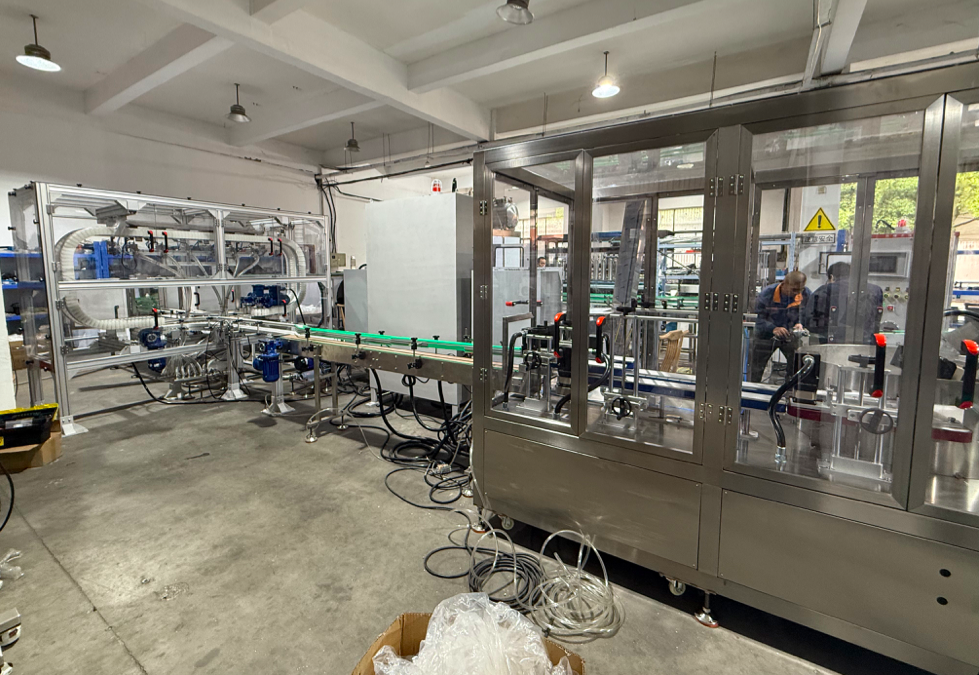
A complete packaging line may include bottle unscrambling, filling, cap placing, capping, labeling, coding, inspection, and packing. Not every project needs every station at the same automation level. The line should match the production style, available operators, future plans, and floor space.
Inline filling layouts often suit flexible production. They can support several bottle sizes with proper adjustment, and operators can usually access filling heads, conveyors, and capping stations more easily for cleaning and maintenance.
Rotary systems may suit higher-speed production when bottle and cap ranges are stable. They often require more dedicated handling parts, so frequent bottle changes may make an inline system more practical.
Safety and guarding should also be part of line planning. Moving machine parts require proper protection, and OSHA’s machine guarding guidance explains why safeguards are important around mechanical equipment. For reference, see OSHA machine guarding guidance.
In daily operation, access space matters as much as machine length. Product tanks, bottle supply, cap feeding, labeling, carton packing, electrical cabinets, cleaning, and maintenance all need room. The line layout should be confirmed before the machine arrangement becomes fixed.
Cleaning and changeover
Daily chemical products often change by fragrance, color, viscosity, and bottle size. Cleaning and changeover should be planned early. Product-contact parts should be reachable, drainable, and suitable for routine cleaning.
A line that fills one detergent all day has different priorities from a line that changes between shampoo, body wash, and hand soap. In the second case, adjustment points and cleaning access become more important.
Who Is This Filling and Capping Solution Suitable For?
This type of filling and capping solution is suitable for daily chemical production projects that need clean bottle filling, stable cap handling, and flexible packaging changes. It is especially useful when product viscosity, bottle shape, cap style, and changeover requirements need to be reviewed together.
For example, a shampoo line may need anti-drip filling and flip-top cap capping. A hand soap line may need pump-cap handling. A detergent line may need stronger bottle support and trigger-cap or measuring-cap matching. The line should be planned around the actual product family rather than a general daily chemical label.
Suitable application examples
- Shampoo, conditioner, body wash, shower gel, and lotion bottle filling.
- Hand wash, liquid soap, and foam pump bottle packaging.
- Laundry detergent, dishwashing liquid, fabric softener, and floor cleaner filling.
- Pump cap, trigger cap, screw cap, flip-top cap, and dispenser cap matching.
- Flexible daily chemical packaging lines with several bottle sizes.
One line should not be assumed to handle every formula and every bottle. Thin liquid, thick lotion, foaming soap, and gel detergent may require different filling speeds, nozzle designs, product paths, and change parts. The equipment plan should be confirmed with actual liquid and packaging information.
When automatic filling and capping becomes practical
- Manual filling produces inconsistent levels, spills, or frequent bottle-neck cleaning.
- Foam, dripping, or product strings limit real output more than the filling cycle itself.
- Pump caps, trigger sprayers, or measuring caps have become a production bottleneck.
- More formulas and bottle sizes make manual settings difficult to repeat.
- The filling process must connect with automatic capping, labeling, coding, or inspection.
Products that need a separate engineering review
Corrosive, strongly oxidizing, solvent-based, flammable, or otherwise hazardous cleaners should not be assumed to use a standard daily chemical configuration. Provide the safety data sheet and confirm product-contact materials, seals, hoses, electrical protection, ventilation, cleaning, and applicable local requirements before equipment selection.
Inquiry Checklist Before Machine Selection
A clear inquiry helps match the right filling, capping, and packaging solution. More importantly, it reduces wrong assumptions about viscosity, foam, cap type, output, and automation level. The following details should be prepared before equipment confirmation.
Product information
|
Bottle and cap information
|
Production goals should be defined clearly. Target output should include bottle volume, product type, filling temperature, cap type, and whether the speed includes capping. Otherwise, a single speed number can create confusion. Thick lotion, foaming hand soap, and thin cleaner may not share the same real output.
Automation level should also be confirmed. A line may use manual bottle loading, automatic filling, manual cap placing, automatic capping, or full line integration. Each choice changes labor arrangement, floor space, and line cost structure.
Future packaging plans should also be mentioned. If more bottle sizes or cap types may be added later, the filling and capping line should allow reasonable adjustment. Priority products must still be defined first because one system cannot always cover every future package without additional change parts.
How to compare filling line proposals
- Check whether the recommended filling principle is explained for the actual formula.
- Confirm which product, bottle volume, and cap type were used to calculate the quoted output.
- Identify whether bottle feeding, cap feeding, cap placement, capping, conveying, labeling, coding, and inspection are included.
- List the guide rails, nozzles, cap chutes, holders, or other change parts required for each package.
- Compare cleaning, drainage, changeover, spare parts, installation, training, and after-sales support.
Sample testing and acceptance conditions
Testing with the actual product, bottle, and cap gives more useful information than testing only with water or empty containers. The test should review fill consistency, foam, dripping, product strings, bottle stability, cap placement, tightening, changeover, and cleaning access.
Before final approval, define the product, bottle, cap, test duration, target output, and acceptance points. This prevents a short demonstration under easy conditions from being treated as proof of full production performance.
Common Selection Mistakes to Avoid
The first mistake is treating all daily chemical liquids as the same. Shampoo, hand soap, detergent, lotion, and cleaner may look similar in bottles, but they can behave very differently during filling. Product behavior must guide the equipment choice.
The second mistake is choosing only by speed. A fast machine is not helpful if the bottle neck becomes dirty, foam rises above the fill level, or product drips onto the conveyor. Instead, speed should be balanced with cleanliness, stability, and real shift output.
The third mistake is leaving cap discussion too late. Pump caps, trigger caps, flip-top caps, screw caps, and measuring caps require different handling. Capping should be reviewed before the filling line layout is finalized.
The fourth mistake is sending only product names without samples or packaging details. Bottle drawings, cap samples, viscosity information, safety data sheets when applicable, and target output help make the recommendation more accurate. The inquiry checklist directly improves selection quality.
The fifth mistake is testing a viscous or foaming product only with water. Water may confirm basic machine movement, but it cannot demonstrate the actual foam level, product strings, product supply, nozzle cut-off, or cleaning time.
The sixth mistake is assuming every future bottle and cap can run without additional change parts. Flexible equipment can reduce changeover work, but new package formats may still require guide rails, nozzles, holders, cap chutes, or control adjustments.
Related Reading and Product Pages
The following pages support deeper equipment selection for filling, pump cap capping, trigger cap capping, and daily chemical packaging lines.
Inline Daily Chemical Filling ApplicationA focused product page for hand soap, shampoo, lotion, liquid soap, and daily chemical bottle filling. |
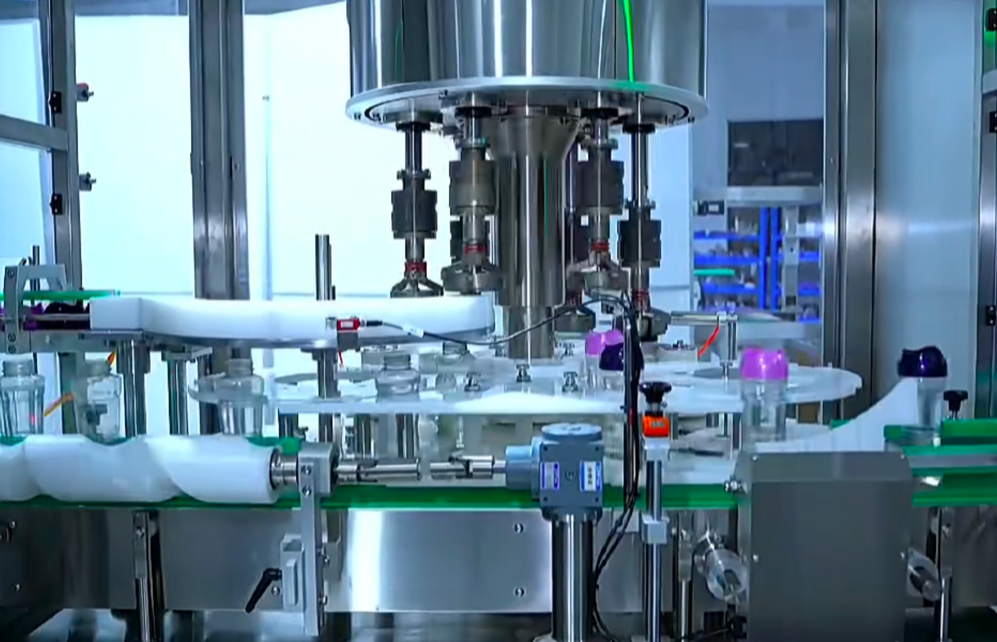 Pump and Trigger Cap CappingA capping direction for lotion pumps, soap pumps, trigger sprayers, and dispenser caps. |
Linear Type Filling MachinesA category page for reviewing filling machine options for liquid and viscous product applications. |
FAQ
What filling method works best for shampoo?
Shampoo usually needs controlled filling because viscosity can vary. Therefore, piston filling or suitable pump filling is often considered first. However, the final method depends on formula thickness, bottle size, foam level, nozzle cut-off, and target output.
Can one filling line handle shampoo, soap, detergent, and lotion?
One line may handle several related products when viscosity range, bottle sizes, cap types, and cleaning requirements are compatible. However, every formula should not be assumed to run well on one setup. Product range, bottle stability, and cap style should be reviewed first.
Why does detergent filling create foam?
Detergent often contains surfactants, which can foam during movement. Fast filling, long liquid drop distance, or harsh product transfer may increase bubbles. Therefore, filling speed, nozzle position, and product supply design should be checked.
What details are needed before choosing an automatic filling machine?
Important details include product type, viscosity, foam behavior, bottle shape, bottle volume, cap type, target output, cleaning needs, and automation level. In addition, bottle and cap samples can help confirm filling and capping design.
Is a linear filling machine suitable for daily chemical packaging?
A linear filling machine can be suitable when the line needs flexibility, moderate output, and easier changeover. However, suitability still depends on bottle shape, product viscosity, cap type, target capacity, and floor space.
Final Summary and Purchasing Advice
Shampoo, soap, detergent, lotion, body wash, and cleaner packaging require more than a simple filling-machine label. The filling method, nozzle cut-off, product path, bottle support, cap feeding, torque control, and line layout all affect the final result. Equipment selection should begin with real product behavior and packaging samples.
Before confirming a line, compare the liquid viscosity, foam level, bottle structure, cap type, target output, cleaning needs, and automation level. Avoid choosing only by speed. A stable, clean, and adjustable line is usually more valuable than a fast line that creates foam, dripping, or cap issues.
- Prepare product samples or clear viscosity, foam, temperature, and safety information.
- Collect bottle and cap photos, drawings, dimensions, and closure details.
- Define target output for the priority product and bottle format.
- Confirm floor space, cleaning needs, changeover frequency, and automation level.
- Agree on sample testing and acceptance conditions before final approval.
Discuss a Filling, Capping and Packaging Solution
Runtech Capping can review product type, liquid viscosity, bottle design, cap style, target capacity, floor space, and automation plan before recommending a suitable filling machine, capping machine, or complete packaging line.
| View Application Page | Contact Runtech Capping |