

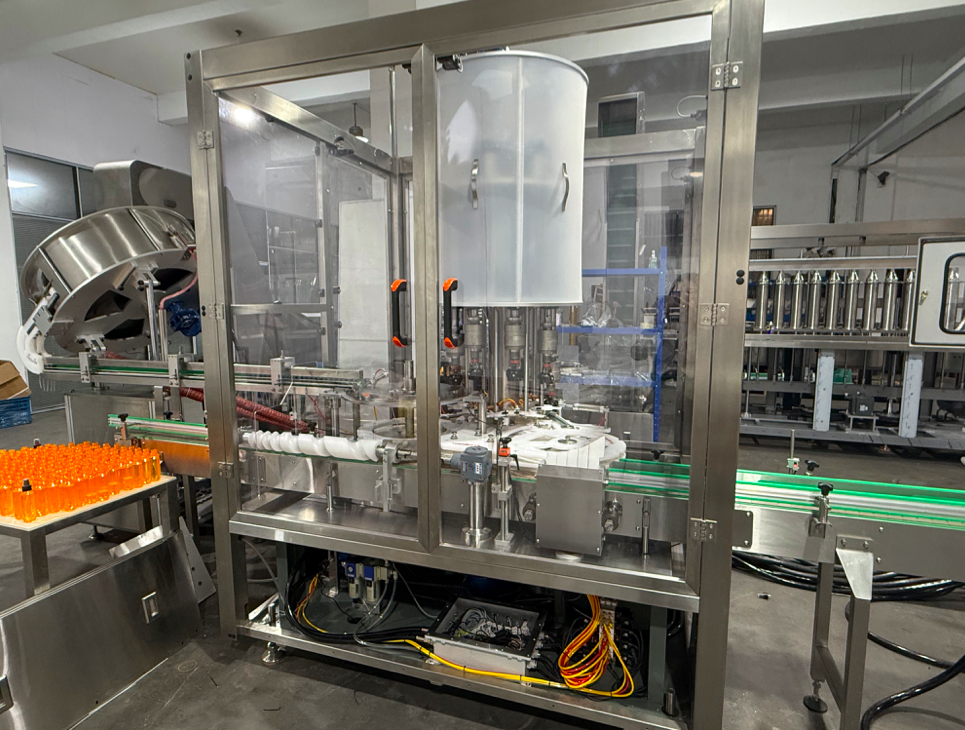
In daily chemical packaging, cap style decides how the closing station should be selected. A standard screw cap, a pump cap, and a trigger cap do not behave the same way on a filling and capping line. Therefore, a bottle capping machine should be reviewed by bottle shape, cap structure, liquid viscosity, torque control, final cap direction, and automation level.
Jump to: Capping System | Cap Differences | Pump Caps | Trigger Caps | Torque Control | Selection Guide | Product Path | Procurement Advice | FAQ
| View Capping Machine Category | Request a Solution |
What Is a Capping System in Liquid Packaging?
First, a capping system closes filled bottles after the liquid filling stage. The full process may include bottle feeding, liquid filling, cap sorting, cap placing, cap tightening, inspection, labeling, coding, and collection. However, the capping station often decides whether the final package looks straight, feels secure, and moves smoothly into the next step.
In daily chemical packaging, this station handles more than simple round screw caps. Many products use pump heads, trigger sprayers, dispenser caps, flip-top caps, or long-tube closures. As a result, the machine must control cap entry, thread engagement, bottle holding, tightening force, and sometimes final cap orientation.
Therefore, equipment review should not rely on a generic machine photo. A practical review starts with the actual bottle and cap. Bottle height, neck finish, shoulder shape, cap diameter, dip tube length, liquid viscosity, and target output all affect the final configuration.
Screw Caps, Pump Caps, and Trigger Caps Are Different
A standard screw cap is usually the most direct closure type. It normally has a round body, clear inner threads, and a stable top surface. Therefore, the main points are cap feeding, cap placement, bottle grip, and repeatable torque.
However, a pump cap adds a different challenge. A pump closure includes an actuator, a threaded collar, and a dip tube. The tube must enter the bottle mouth before tightening begins. If the tube bends or misses the opening, the cap may tilt, cross-thread, or stop above the bottle neck.
Meanwhile, a trigger cap has an uneven body. It includes a handle, nozzle, threaded neck, and usually a long tube. Because the sprayer body extends outward, the machine needs more clearance around the cap and bottle shoulder.
In other words, pump and trigger caps should not be treated as one universal cap type. Both may have tubes, yet their top structures create different feeding, insertion, tightening, and orientation requirements.
| Cap Type | Main Handling Point | Common Packaging Use |
|---|---|---|
| Screw cap | Thread fit, torque repeatability, and bottle stability. | Detergent, cleaner, liquid soap, food liquid, and general bottle packaging. |
| Pump cap | Dip tube entry, pump head grip, and collar protection. | Shampoo, lotion, hand soap, sanitizer, body wash, and cosmetic liquid. |
| Trigger cap | Handle clearance, tube insertion, and final sprayer direction. | Surface cleaner, disinfectant spray, car care liquid, garden liquid, and household cleaner. |
Pump Cap Capping Requirements
|
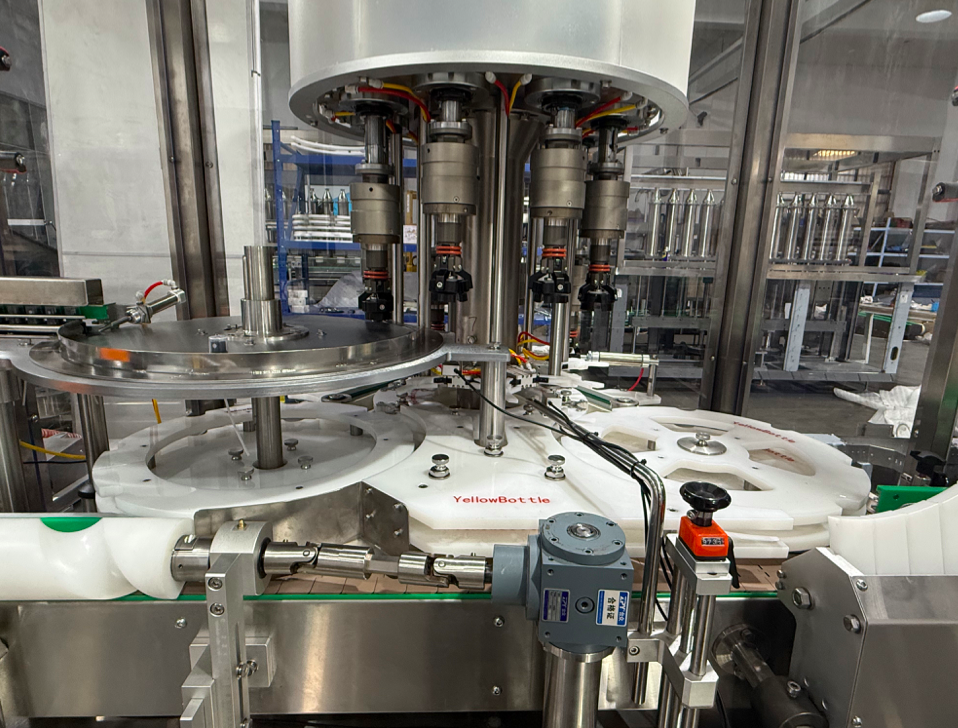
First, pump cap tightening starts before the cap turns. The dip tube needs a clean path into the bottle neck. If the bottle is off-center, the tube can bend against the neck wall and affect cap placement. In addition, the pump head needs controlled contact. Some pump heads have smooth actuators. Others have ribs, decorative collars, locking nozzles, or special surface finishes. Therefore, the tightening head should hold the cap without scratching or crushing visible parts. A pump cap capping machine is suitable for lotion pumps, shampoo pumps, hand soap pumps, sanitizer pumps, and other closures with tubes. However, the final solution should still be confirmed by real bottle and cap samples. Moreover, pump cap direction may matter for shelf appearance and downstream packing. If the nozzle needs to face the front label, orientation control should be discussed early. Otherwise, a machine that tightens well may still create an inconsistent finished package. |
|
Key details to confirm for pump caps
- Pump head shape, actuator height, collar diameter, and grip surface.
- Dip tube length, flexibility, bending behavior, and bottle depth.
- Bottle neck size, shoulder shape, and stability during downward pressure.
- Required final pump direction, especially for front-facing packaging.
- Liquid viscosity, filling residue, and neck cleanliness before tightening.
Trigger Cap Capping Requirements
|
Trigger caps create a different handling problem. The sprayer handle and nozzle extend beyond the cap neck. Therefore, the machine needs enough space around the cap body during feeding, placement, tightening, and discharge. Also, the tube under the trigger head must enter the bottle cleanly. If the bottle moves or the cap arrives at an angle, the tube may hit the neck edge. As a result, the line may see tilted caps, slow cycles, or unstable tightening. A trigger cap capping machine is suitable for cleaner sprayers, disinfectant sprayers, household spray bottles, car care products, and other dispenser closures that need more cap-body clearance. Furthermore, trigger direction often affects carton packing and shelf display. A sprayer that faces the wrong way can interfere with labels, handles, shrink packs, or trays. Therefore, orientation should be treated as a project requirement, not as a late adjustment. |
Key details to confirm for trigger caps
- Trigger body width, handle length, nozzle direction, and cap neck size.
- Bottle shoulder clearance and guide rail position.
- Dip tube length and tube entry behavior during cap placement.
- Required final sprayer direction for labeling, packing, and display.
- Cap feeding method, because handles and nozzles may interlock during sorting.
Torque Control and Bottle Positioning
Torque means the turning force used to tighten a cap. In packaging lines, torque affects cap security, thread condition, opening feel, and leakage control. Therefore, torque should not be guessed from the cap name alone.
For screw caps, the goal is clean thread engagement and consistent tightness. Too little force may leave a loose cap. However, too much force may damage threads, distort a soft bottle neck, or make opening difficult.
For pump caps, torque must secure the threaded collar while protecting the pump actuator. The machine should hold the cap firmly, yet it should not scratch the pump head or press too hard on the visible closure surface.
For trigger caps, torque control must work with bottle holding and cap clearance. A sprayer body can flex or pull to one side during tightening. As a result, the bottle support and cap grip need to work together.
In addition, bottle material changes the result. PET bottles, HDPE bottles, glass bottles, and softer plastic containers react differently under pressure. Round bottles may rotate easily, while oval bottles may shift off center.
Therefore, sample testing is important before final machine confirmation. Bottle shape, cap thread, cap liner, liquid residue, and transport conditions can all change the correct tightening setup.
How to Choose for Daily Chemical Packaging
Daily chemical packaging covers many liquid products. Shampoo, conditioner, lotion, hand soap, sanitizer, dishwashing liquid, detergent, disinfectant, and surface cleaner all create different filling and closing conditions.
First, identify the closure family. A standard screw cap line may not handle pumps smoothly. Likewise, a pump-focused line may need additional clearance and feeding support before it can handle trigger sprayers.
Next, review the bottle body. Bottle height, width, neck finish, shoulder curve, wall strength, and standing stability all influence the capping result. Therefore, real bottle samples give better information than drawings alone.
Then, review the liquid. Thin products may splash if the conveyor movement is too sharp. Foaming products may need calmer transitions. Thick lotion or gel may leave residue near the mouth, so filling accuracy and drip control become important.
Finally, confirm automation level. Some lines use manual cap placing with automatic tightening. Other lines require automatic bottle feeding, cap sorting, cap placing, tightening, inspection, labeling, and packing. The right layout depends on the product range and target production plan.
Which Application Fits Each Capping Solution?
For simple screw cap packaging, the main focus is repeatable tightening and stable bottle handling. This approach often fits liquid detergent, dish soap, cleaner refills, food liquid bottles, and other products with round threaded caps.
For pump cap packaging, the main focus is tube insertion and pump head protection. This approach often fits shampoo, lotion, hand soap, sanitizer gel, body wash, and personal care liquid.
For trigger cap packaging, the main focus is sprayer clearance and final direction. This approach often fits surface cleaner, disinfectant spray, car care liquid, garden spray products, and household cleaner bottles.
Therefore, the suitable equipment path depends on how the closure behaves on the bottle. Cap name alone is not enough. Cap shape, tube length, bottle neck, torque target, and downstream packaging should be checked together.
Recommended Product Path
After the main cap type is clear, the next step is choosing the closest product path. The links below help move from equipment education into the correct Runtech Capping product page.
 Rotary Type Capping MachineSuitable for comparing rotary tightening options for screw caps, pump caps, trigger caps, and daily chemical bottle lines. |
 Pump Cap Tightening MachineSuitable for lotion pumps, soap pumps, shampoo pumps, sanitizer pumps, and closures with dip tubes. |
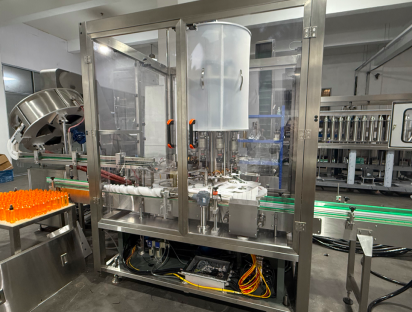 Trigger Cap Tightening MachineSuitable for trigger sprayers, dispenser caps, cleaner bottles, disinfectant spray, and sprayer packaging. |
Practical Procurement Advice Before Inquiry
Before equipment confirmation, the most useful step is preparing complete packaging information. Real samples help check tube insertion, cap grip, bottle stability, and torque feel more accurately than photos alone.
Also, the filling process should be reviewed together with the capping process. Liquid viscosity, foam, stickiness, dripping, and neck residue can all affect cap tightening. Therefore, the filling machine and capping station should work as one packaging solution.
For multi-product lines, changeover range should be considered early. Different bottle heights, cap diameters, tube lengths, and sprayer directions may need change parts or adjustment positions. A clear product range helps avoid overpromising one universal setup.
- Prepare bottle samples, cap samples, and liquid information.
- Confirm whether the cap needs final direction control.
- List bottle sizes, cap styles, tube lengths, and target output.
- Review filling, capping, labeling, and packing as one line.
FAQ
Can one capping line handle screw caps, pump caps, and trigger caps?
In some cases, one line can support several cap styles with suitable change parts. However, the cap range must be confirmed by samples. Screw caps, pump caps, and trigger caps need different feeding, placement, tightening, and sometimes orientation methods.
Why do pump caps need special handling?
Pump caps include a dip tube. The tube must enter the bottle neck before tightening begins. If the tube bends, swings, or misses the opening, the cap may tilt or tighten incorrectly.
Why are trigger caps harder than standard screw caps?
Trigger caps have an uneven sprayer body with a handle, nozzle, and tube. Therefore, they need more clearance, better bottle positioning, and possible final direction control.
Does torque control matter for daily chemical bottles?
Yes. Torque control affects cap security, thread condition, opening feel, and leakage control. The suitable setting depends on cap structure, bottle material, neck finish, liquid residue, and transport conditions.
What information should be sent for equipment selection?
Useful information includes product type, liquid viscosity, bottle shape, bottle size, cap type, tube length, final cap direction, target output, and automation level. Real samples make the review more reliable.
Related Reading
Rotary Capping Machine & High-Speed Capping MachineReview rotary tightening layouts and higher-continuity capping systems for packaging lines. |
Plastic Trigger Cap, Pump Cap and Sprayer Cap TighteningCompare sprayer, dispenser, and pump-style closure handling for shaped caps. |
Servo Rotary Capping for Pump, Trigger and Dispenser CapsReview servo rotary capping options for closures that need stable positioning. |
Get a Suitable Filling, Capping and Packaging Solution
The best capping result comes from matching the machine to the real package. Screw caps need stable thread engagement. Pump caps need clean tube insertion and protected actuator contact. Trigger caps need body clearance, tube control, and possible final direction control.
For a suitable filling, capping, and packaging solution, contact Runtech Capping with product type, liquid viscosity, bottle shape, cap type, tube length, target output, and automation requirements. These details help confirm the right bottle capping machine for the production line.
| Contact Runtech Capping | View Capping Machine Category |