For liquid bottle production, packaging equipment should work as one connected system, not as separate machines placed beside each other. The right line must match the liquid, bottle, cap, filling method, capping method, output target, cleaning requirements, and automation level.
This guide focuses on daily chemical, household care, personal care, and similar bottled liquid applications. It explains how to plan a liquid filling machine, bottle capping machine, pump cap handling, trigger sprayer capping, cap feeding, labeling connection, and the inquiry details needed before confirming a practical line solution.
The goal is not to select the biggest machine first. A better decision starts by understanding the product, the bottle, the closure, and the real production workflow. When these details are clear, the filling, capping, conveying, and downstream packaging sections can be matched with fewer mistakes.
Jump to: What It Means / Liquid Filling / Bottle Capping / Matching Details / Applications / Inquiry / Mistakes / FAQ / Related Reading
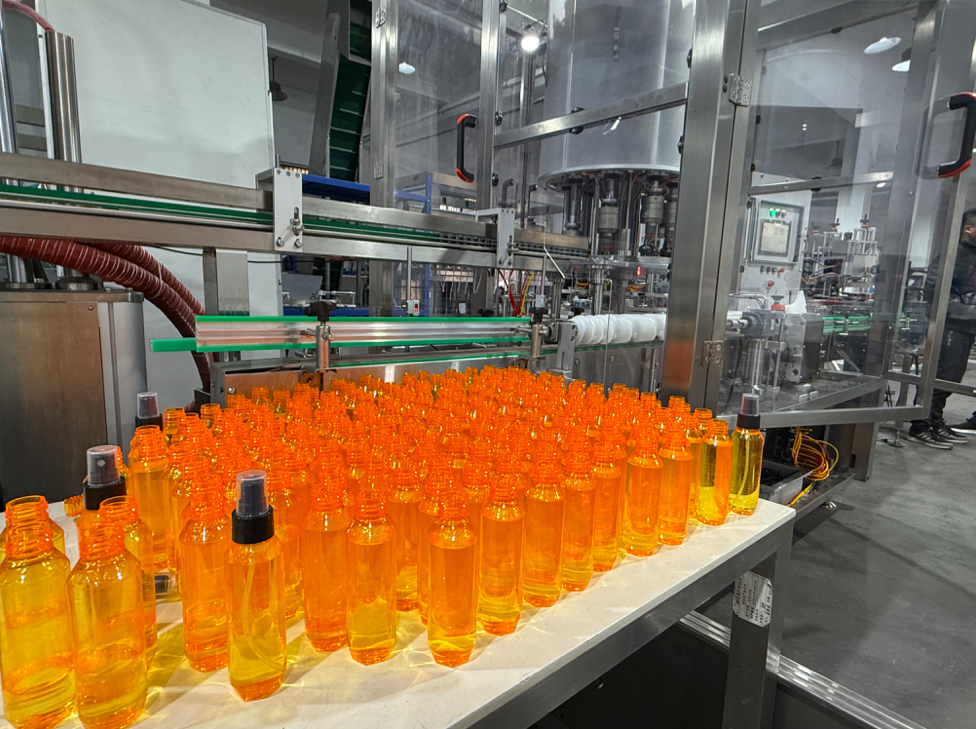
Runtech Capping line image: liquid bottles, conveyor flow, and automatic capping section for daily chemical packaging.
What Packaging Machinery Means in Liquid Filling and Capping Lines
In a bottle line, packaging machinery covers more than the final step after production. It includes how empty containers move into the line, how the liquid enters each bottle, how caps are supplied and applied, and how finished bottles leave the capping area for labeling, coding, inspection, or collection.
In daily chemical production, this may involve hand soap, shampoo, body wash, lotion, detergent, disinfectant, surface cleaner, toilet cleaner, and trigger spray products. The equipment plan should begin with the real bottle and cap instead of a general machine name.
A complete line can include bottle feeding, liquid filling, cap feeding, cap placing, cap tightening, conveying, labeling, coding, inspection, and collection. Not every project needs every station at the beginning. The best layout depends on output target, production space, product change frequency, current bottleneck, and future expansion plan.
For Runtech Capping projects, the most practical discussion usually starts with three items: liquid behavior, bottle shape, and closure type. After that, the filling method, capping method, conveyor layout, and automation level can be matched more clearly.
| Line Area | Main Function | Key Selection Point |
| Bottle feeding | Moves empty containers into the line. | Bottle shape, stability, spacing, and loading method. |
| Liquid filling | Controls product dosing into bottles. | Viscosity, foam, nozzle type, fill volume, and cleaning access. |
| Bottle capping | Places, tightens, or presses the closure. | Cap type, dip-tube insertion, orientation, torque, and bottle holding. |
| Line connection | Connects filling, capping, labeling, coding, and collection. | Conveyor flow, access space, accumulation, and future upgrades. |
Liquid Filling Equipment: Match the Product Before the Machine
Filling equipment should match the liquid itself. Thin products may flow quickly and need clean cut-off control. Thick products may require stronger feeding, suitable pumps, and nozzles that reduce dripping or stringing.
Sanitizer and some cleaners usually behave differently from shampoo, lotion, gel, and concentrated detergent. Product name alone is not enough. Viscosity, foam level, filling temperature, bottle mouth size, and target fill volume should be checked together.
Foaming products need careful flow control. A nozzle may need bottom-up movement, staged speed, or a lower filling position. Otherwise, foam can affect appearance, net content, and the transfer into the capping station.
Bottle shape also affects filling performance. Tall bottles may wobble, while flat or oval bottles may need wider guide-rail support. Filling speed should be planned around bottle stability, not only around filling-head quantity.
For straight-line bottle production, the Linear Type Filling Machine category is a practical reference. The final configuration should still be confirmed according to bottle type, cap type, liquid viscosity, output target, and automation level.
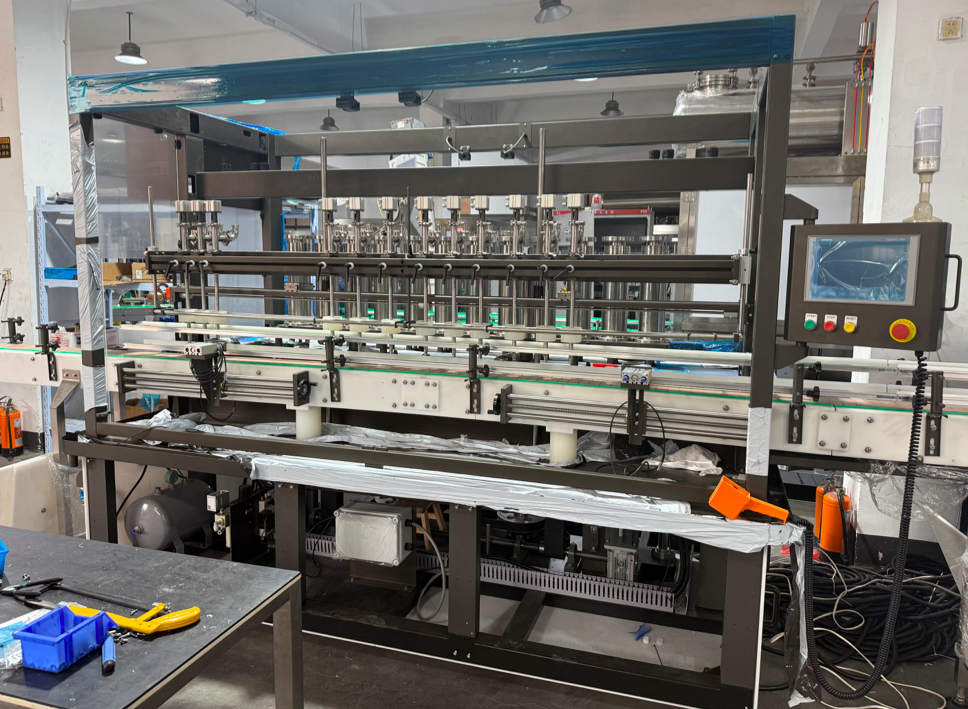
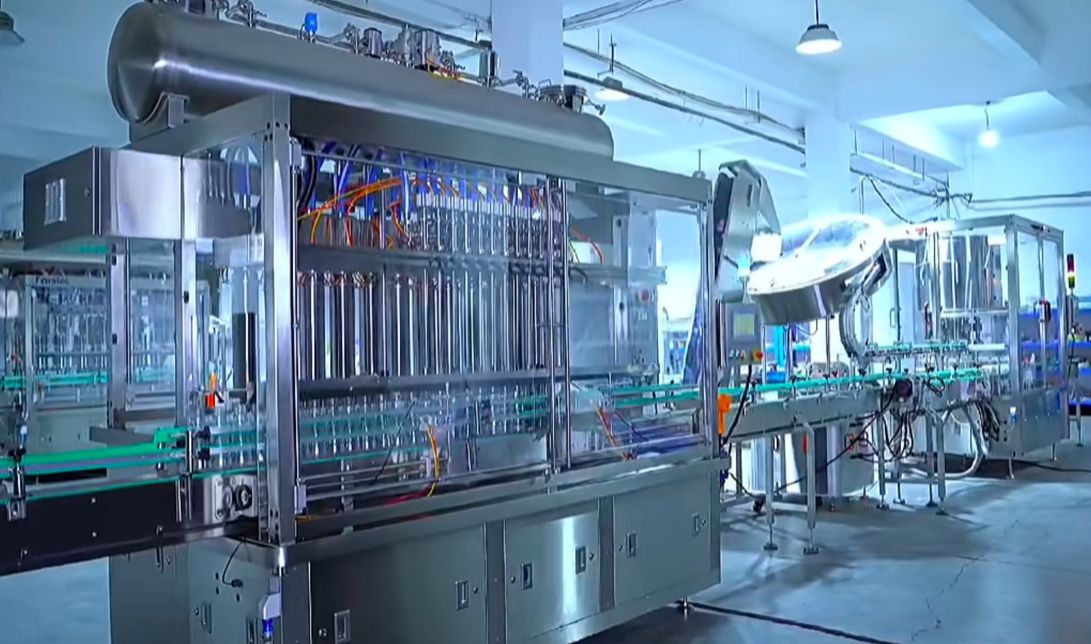
Filling machine image for liquid soap, shampoo, lotion, detergent, and cleaner bottle applications.
Key Filling Questions Before Selection
- Is the liquid water-thin, medium-viscosity, thick, gel-like, paste-like, or foaming?
- Does the formula drip, string, separate, leave residue, or create foam during transfer?
- What fill volume, bottle opening size, and bottle height are required?
- How often will product formula, bottle size, or fill volume change?
- Will the filler connect with automatic capping, labeling, coding, or downstream collection?
Bottle Capping Equipment for Screw Caps, Pump Caps, and Trigger Sprayers
The capping section controls closure quality and finished bottle appearance. A screw-cap line may focus on torque and thread engagement. A pump cap or trigger sprayer line must also consider cap orientation, dip-tube insertion, bottle holding, and stable placement.
Pump caps can be difficult because the tube must enter the bottle neck smoothly. If the tube bends or misses the opening, the line may stop or produce poor closures. Pump cap handling often needs cap guidance, stable bottle positioning, and careful timing.
Trigger sprayers create another challenge. Their head shape is uneven, and the long tube can affect feeding. Trigger sprayer capping should be reviewed with real cap samples, real bottle samples, and the expected production rhythm.
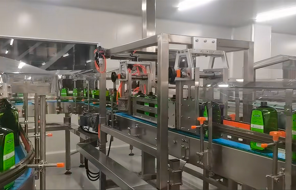
Pump Cap and Trigger Sprayer Capping
For lotion pumps, foam pumps, spray pumps, and daily chemical bottle closures that need controlled placement.
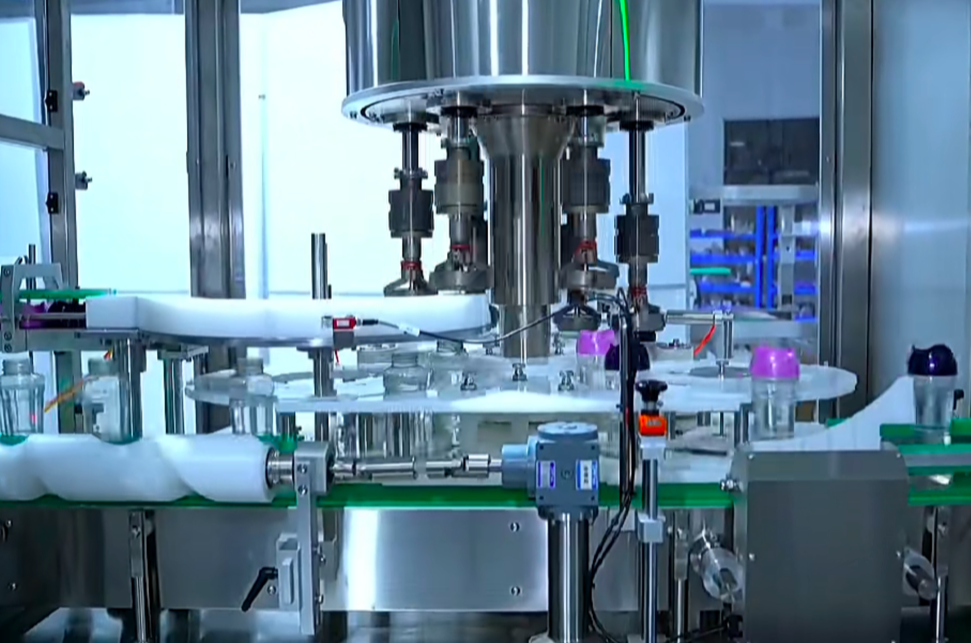
Integrated Capping in a Bottle Line
For bottle lines where filling, cap handling, capping, and conveyor transfer must work in one rhythm.
Capping should not be treated as a small accessory after filling. For pump caps, gun caps, trigger sprayers, and special closures, the capper may decide the real stability of the entire line.
How a Bottling Machine and Packaging Machinery Should Be Matched
The term bottling machine usually points to the core process of filling and closing bottles. In liquid production, this may include a filler, capper, conveyor, and collection table. The phrase is useful when the package is a plastic or glass bottle.
Packaging machinery is broader. It can include filling, capping, conveying, labeling, coding, inspection, and downstream handling. This article stays focused on bottle-based liquid production rather than pouch sealing, carton forming, or bag packaging.
This difference matters during project discussion. If the request is too broad, the real issue may be unclear. It could be filling accuracy, pump cap feeding, trigger sprayer orientation, bottle instability, slow capping, or downstream accumulation.
For wider industry context, PMMI packaging machinery industry resources show why packaging and processing technology is often reviewed as a complete production system. A filling and capping project should connect machine choice with line flow rather than treating each station as an isolated purchase.
| Project Detail | Why It Matters | What to Confirm |
| Liquid viscosity | It affects filling principle, nozzle design, and product feeding. | Thin, medium, thick, gel-like, foaming, sticky, or abrasive liquid. |
| Bottle shape | It affects guide rails, bottle holding, and transfer stability. | Round, flat, oval, tall, soft, rigid, lightweight, or irregular bottle. |
| Cap type | It affects cap feeding, placement, dip-tube insertion, and torque control. | Screw cap, pump cap, trigger sprayer, flip-top cap, or special cap. |
| Line flow | It affects real output and daily operation. | Filling, capping, labeling, coding, inspection, and collection connection. |
Best-Fit Applications for Filling, Capping, and Bottling Lines
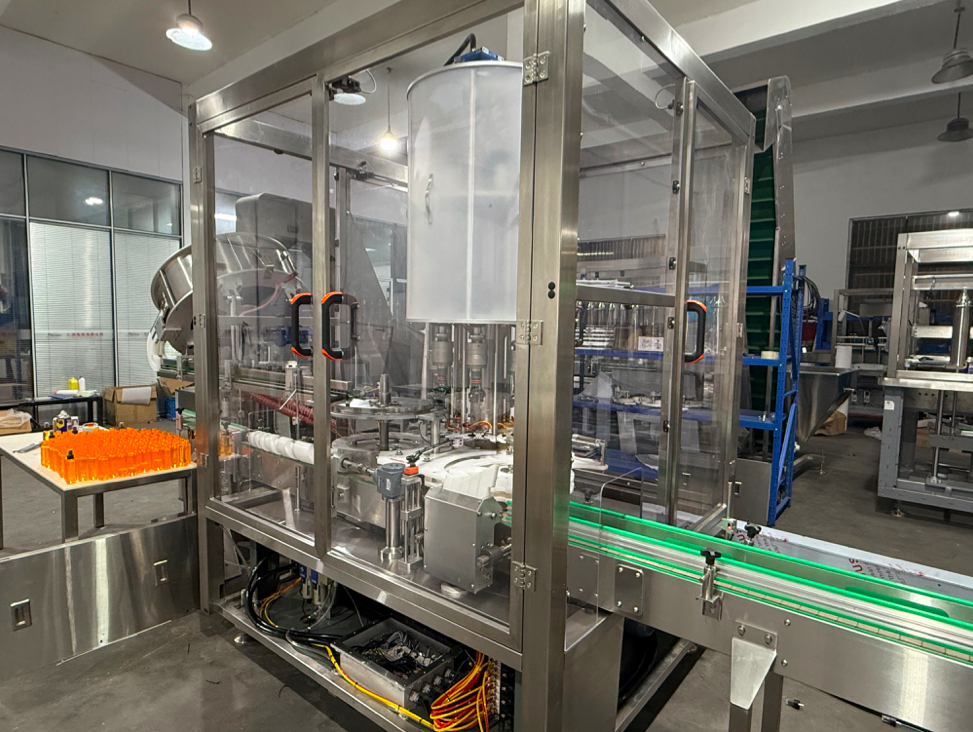
Integrated line image for daily chemical filling, pump cap handling, trigger cap handling, and conveyor transfer.
This type of line is especially relevant when the product is packed in bottles with screw caps, pump caps, trigger sprayers, or other daily chemical closures. It is also useful when filling, cap feeding, capping, labeling, and coding need to be discussed as one process.
For hand soap, shampoo, lotion, and body wash, viscosity and anti-drip filling are important. Pump cap placement may require extra attention because the dip tube must enter the bottle neck smoothly.
For detergent, cleaner, disinfectant, and trigger spray products, line stability can depend on both the filling section and the cap-handling section. The bottle, sprayer, tube length, and conveyor transfer should be reviewed together.
For mixed bottle sizes, changeover should be considered early. Adjustable guide rails, filling height, nozzle spacing, bottle holding, and capping fixtures can reduce future adjustment problems.
| Application | Recommended Page | Reason to Review |
| Hand soap, shampoo, lotion | Inline Daily Chemical Filling Machine | Useful for viscosity review, clean filling, bottle changeover, and downstream connection. |
| Detergent, cleaner, disinfectant | Linear Type Filling Machine | Useful when bottle stability, foam control, and filling accuracy must be reviewed together. |
| Pump cap bottles | Pump Screw Cap Capping Machine | Useful for dip-tube insertion, cap orientation, bottle holding, and torque control. |
| Trigger sprayer bottles | Integrated Filling and Capping Line | Useful when sprayer shape, tube length, cap feeding, and line rhythm must be checked together. |
Inquiry Checklist Before Confirming a Line Solution
Before a technical recommendation, one machine name is not enough. The project should define product behavior, bottle format, cap type, output target, automation level, and available space. Then, the filling, capping, and conveying layout can be reviewed more accurately.
| Information Needed | Details to Prepare | Why It Matters |
| Product details | Product type, viscosity, foam level, cleaning method, residue behavior, and safety data sheet. | These details affect filling principle, nozzle type, product-contact parts, and feeding structure. |
| Bottle details | Bottle volume, height, width, neck diameter, material, shape, and sample photos. | These details affect guide rails, filling height, bottle holding, and conveyor design. |
| Cap details | Screw cap, pump cap, trigger sprayer, tube length, thread style, and cap diameter. | These details affect cap feeding, cap placement, torque control, and capping head design. |
| Line requirements | Target output, SKU change frequency, automation level, workshop layout, and downstream steps. | These details affect machine quantity, line length, operator access, and upgrade planning. |
Three Practical Procurement Steps
- Collect product samples, bottle drawings, bottle photos, cap photos, and tube-length details.
- Define the expected output range, automation level, available floor space, and product-change frequency.
- Review the filling method, capping method, conveyor layout, and downstream connection as one line.
Common Line Planning Mistakes to Avoid
Avoid choosing a line only by product name. A “detergent filling line” can mean many different formulas, viscosities, bottle sizes, and cap types. Real samples and package details are more useful than a general product label.
Avoid focusing only on filling speed. A fast filler can still wait for cap feeding, labeling, or manual collection. The full line rhythm should be reviewed instead of one machine’s maximum output.
Avoid ignoring bottle stability. Tall bottles, light bottles, oval bottles, flat bottles, and soft bottles may need extra support. Unstable transfer can create filling errors, capping issues, and more stoppages.
Avoid assuming one capper suits every closure. Pump caps, trigger sprayers, screw caps, flip-top caps, and press caps behave differently. Cap samples should be checked before the final capping structure is confirmed.
Finally, avoid reducing conveyor space too much. A compact layout may look efficient at first, but daily operation needs room for cleaning, adjustment, cap loading, product feeding, safe movement, and maintenance access.
FAQ
Related Reading
Need a filling, capping, or packaging solution?
Share the Product, Bottle, Cap, and Line Scope
Runtech Capping can review liquid filling, screw capping, pump-head capping, trigger-sprayer capping, labeling connection, and integrated packaging line needs. For a more accurate recommendation, send the product type, liquid viscosity, bottle shape, cap type, target output, and preferred automation level.
- Product type, viscosity, foam level, residue behavior, and cleaning requirements.
- Bottle volume, bottle shape, neck size, material, drawing, and sample photos.
- Cap type, cap diameter, thread style, pump tube length, and closure samples.
- Target output, automation level, workshop space, and downstream connection needs.