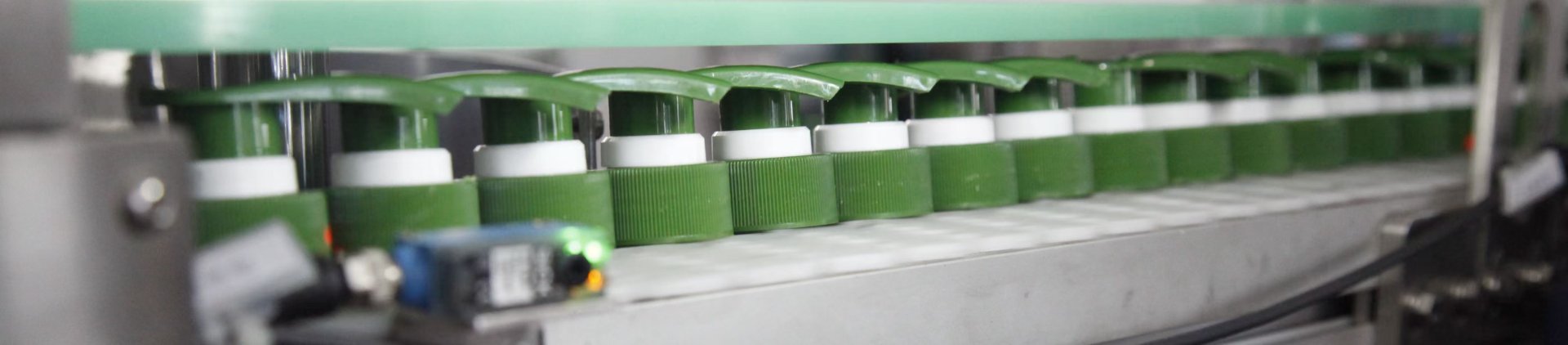
A twelve-nozzle servo piston filling machine provides twelve filling outlets, but the nozzle count alone does not establish its production rate or suitability for every bottle format. RUNTECH’s published product information identifies detergent, shampoo and hand-soap filling among the relevant applications across its piston filling equipment.
The practical question is whether the displayed configuration suits a specific formulation, fill volume and bottle. Those details need confirmation before the nozzle count can become a useful purchasing decision.
Start with what the twelve-nozzle designation confirms
Twelve nozzles describes the number of filling outlets in the identified arrangement. It does not establish the filling cycle time, the bottle formats the machine can handle, or its performance with a particular liquid.
For a linear twelve-nozzle arrangement, check whether the nozzle centres line up with the bottle centres as containers move along the conveyor. Bottle pitch, neck diameter, container width and the available adjustment range all affect whether the filling heads can serve the intended format without interference. A layout that suits one detergent bottle may need different spacing or guide-rail settings for a narrower shampoo bottle. The actual adjustment range and any required change parts should be confirmed against production samples.

This makes nozzle count a useful configuration reference, but not a shortcut to judging capacity. The actual 12-nozzle piston filling machine arrangement should be checked against the intended bottle and product before any operating target is accepted.
How servo piston dosing relates to the configuration
Piston dosing is based on displacement: a piston moves product through a metering chamber, while servo drive controls the motion. In a twelve-nozzle setup, that general principle sits alongside the physical arrangement of the filling outlets. They describe different aspects of the equipment, so neither should be used as a substitute for a full configuration specification.
The designation alone does not establish the number of metering cylinders, how dosing is distributed between outlets, or which settings are independently adjustable. RUNTECH product information describes configurations in which metering-pump doses can be adjusted together or individually, as well as optional bottle-mouth positioning and distance-adjustment features. These should be treated as configuration options to confirm—not as standard features of every twelve-nozzle machine.
For a quotation, ask how the twelve filling positions are metered, whether pump adjustments are shared or individual, and whether nozzle spacing and bottle positioning can be changed for the planned containers. The answers determine how the proposed machine can be set up when a line handles different bottle formats or when filling results vary between outlets. See RUNTECH’s linear piston filling machine information for related configuration details; confirm which options apply to the exact model being quoted.

For detergent and personal-care production, the useful distinction is between what is named—servo piston dosing and twelve nozzles—and what still needs verification: how this configuration will be specified for the real liquid and container.
Separate detergent, shampoo and hand-soap sample needs
RUNTECH lists liquid detergent, shampoo, liquid soap and hand wash among the applications for its twelve-nozzle piston filler. The product names establish relevant application categories, not a single set of filling conditions. Two liquids marketed in the same category can behave differently at the nozzle.
Detergent: identify the particular cleaning liquid
Liquid detergents vary in thickness and flow behavior according to their formulations. Laundry detergent and dishwashing liquid should not be treated as equivalent simply because both are detergents. During a sample trial, check whether the discharge creates excessive foam, splashes around the bottle opening or leaves residue after cut-off. The nozzle position and filling profile should be assessed with the actual product; increasing speed is not useful if foam or overflow disrupts the rest of the line.
Shampoo: use the formulation that will actually be filled
Shampoos range from relatively free-flowing liquids to thicker formulations that can leave strings or residue after dispensing. The nozzle opening and shut-off behavior affect how cleanly the product separates from the filling head. A trial should therefore check fill consistency across the outlets and whether product remains around the bottle neck after cut-off, using the formulation intended for production.
Hand soap: distinguish one formulation from another
Hand soap is not a single filling condition. Foaming hand wash, thinner liquid soap and thicker formulations can behave differently, while bottle-neck designs may also vary between product sizes. If one line is expected to handle several hand-soap SKUs, compare the bottle openings, target volumes and product behavior before assuming that one nozzle arrangement will cover every format without adjustment.
The useful comparison: detergent, shampoo and hand soap are all relevant published application groups, but the actual formulation determines what must be checked for each filling project.
What RUNTECH’s published information confirms—and what still needs checking
RUNTECH’s product page for the twelve-nozzle liquid detergent piston filling machine identifies a 12-nozzle configuration and lists household-product applications including shampoo, liquid soap, liquid detergent and hand wash. Related linear piston filling information describes additional configuration options, but those details should not automatically be assigned to the twelve-nozzle model.
The published information establishes the equipment category and application relevance, but specifications shown on related product pages are not necessarily interchangeable. In particular, confirm the exact model, nozzle count, metering arrangement, available adjustments, filling volume, speed and accuracy in the quotation. Do not assume that a feature described for a selected model or configurable option is included as standard in every twelve-nozzle setup.
Published figures for another machine—or a broader equipment family—should not be carried over to this twelve-nozzle configuration. Any stated performance figure should be checked against the exact model, product, target volume and test conditions before it is used for production planning.
Request confirmation of the twelve-nozzle application without assuming speed
Once the liquid category is identified, the useful next conversation is about the actual application. RUNTECH needs to know which detergent, shampoo or hand-soap formulation is intended, the desired fill volume and the container that will receive it. A representative product sample and physical bottle make those requirements more concrete than a general request for a twelve-nozzle machine.
A useful sample trial should examine more than whether the machine can dispense the product. Check the fill volume from each outlet, bottle-neck cleanliness, dripping after cut-off and foam formation during repeated filling cycles. Where several bottle formats are planned, repeat the trial with the relevant container samples rather than assuming that one successful test covers every SKU.
For production planning, record the conditions used during the trial, including target volume, product temperature where relevant, filling speed and nozzle arrangement. These records provide a more useful basis for reviewing repeatability and practical line performance than the nozzle count alone.
The review can then establish the appropriate nozzle arrangement and clarify what the proposed equipment specification does—and does not—cover. A target production rate may be discussed as a project requirement, but the number of nozzles should never be presented as proof that the target can be achieved.
For producers considering the displayed configuration, the sensible decision is conditional: confirm the specific liquid and bottle first, then ask RUNTECH to assess the relevant twelve-nozzle setup. That keeps the comparison focused on this equipment rather than moving into a general filling-machine selection guide.
Questions before the next step
Does twelve nozzles establish a guaranteed output?
No. It specifies a nozzle count, not a guaranteed rate. Output depends on the actual machine configuration and application conditions.
Can all twelve filling positions be adjusted independently?
Not necessarily. RUNTECH’s published information describes individual metering-pump adjustment for certain configurations, but the available controls must be confirmed for the exact twelve-nozzle model and quotation.
Match the published configuration to the actual liquid
RUNTECH’s twelve-nozzle equipment is a relevant starting point for detergent, shampoo and hand-soap applications. Suitability still rests on the exact formulation, intended fill volume, bottle and confirmed machine specification—not on the nozzle designation alone.
Review the equipment information, then share representative liquid and container samples with RUNTECH for an application-specific discussion.
| View the 12-nozzle filling machine details | Discuss your filling application with RUNTECH |